
When Is Asbestos Removal Necessary?
Published by Remtech Environmental Team · Last updated April 2025
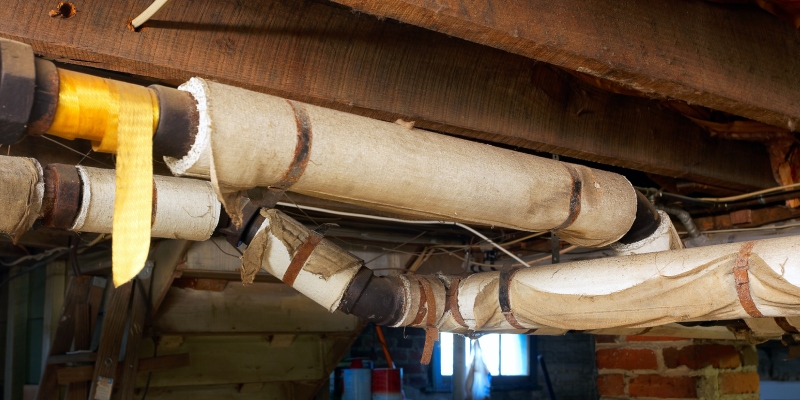
Asbestos is a material that was commonly used in a variety of construction purposes, such as flooring, ceilings, etc. It was later discovered that asbestos is very harmful when disturbed and inhaled, so there was a reduction in the use of asbestos in building materials. However, if your home was built before 1985, your home is more at risk of containing building materials with asbestos and will need to be carefully and professionally removed to prevent the risk of harmful exposure. Here are a few times when asbestos removal is necessary.
You can give us a call if you would like to learn more.
- You have common asbestos-containing structures in your home: If your home was built before 1985 and you have popcorn ceilings, linoleum or vinyl flooring, pipe wrap, or insulation around your home, it is more likely that any of these structures and materials contain asbestos. You will need to schedule a professional asbestos removal as soon as possible to keep you and your household safe from harmful exposure.
- You’re planning a renovation project: If you’re planning a renovation project for an older home, you will want to at least have the home tested for asbestos, so you don’t begin cutting into materials that contain asbestos that could have a negative impact on your household.
- Even if you plan to leave the materials untouched: Even if you plan to leave the materials that potentially contain asbestos untouched, this is still considered to be a risk because you might forget and cut into it during a project or disturb it by accident. It’s always best to be proactive when it comes to asbestos removal to avoid any unnecessary risks of exposure.
Asbestos was a workhorse construction material in the United States from the early 1900s through the late 1980s. It was inexpensive, fireproof, and chemically stable, which made it the default ingredient in everything from popcorn ceiling texture to vinyl floor tiles, pipe insulation, HVAC duct wrap, roofing shingles, and joint compound. The problem is that the same fiber properties that made asbestos useful also make it lethal when disturbed. Microscopic fibers released into the air lodge in the lungs and pleural lining, where they can trigger mesothelioma, asbestosis, and lung cancer decades after the initial exposure. North Carolina homes built before 1985, and many built into the early 1990s, contain asbestos somewhere in the structure with high probability. This article explains when removal is legally required, when it is strongly recommended, and what the EPA NESHAP regulations require of property owners and contractors who work on materials suspected of containing asbestos.
Situations That Trigger the Need for Asbestos Removal
Asbestos removal is not always required. Stable, undisturbed asbestos in good condition can be managed in place under an operations and maintenance plan. The scenarios below, however, almost always require removal by a licensed abatement contractor.
You Are Planning a Renovation, Demolition, or Major Repair
This is the most common trigger and the one most regulated. Under the EPA National Emission Standards for Hazardous Air Pollutants, commonly abbreviated NESHAP, any renovation or demolition of a structure that includes regulated asbestos-containing material triggers a series of legal obligations. The owner or operator must thoroughly inspect the affected area for asbestos before work begins, must notify the North Carolina Division of Public Health at least ten working days before disturbance, and must ensure that abatement is performed by an accredited contractor following specific work practices. In residential renovations, the most common triggering materials are popcorn ceilings, vinyl asbestos tile, sheet vinyl flooring with asbestos backing, joint compound on drywall, plaster systems, and pipe insulation. Cutting, drilling, sanding, or demolishing any of these without abatement releases fibers and creates legal liability for the property owner.
Suspect Materials Are Damaged, Friable, or Deteriorating
Friable asbestos is the form that crumbles, flakes, or releases fibers when handled with light hand pressure. Friable materials present the highest exposure risk and almost always warrant immediate removal. Examples include deteriorating pipe insulation in basements and crawlspaces, damaged HVAC duct wrap, crumbling popcorn ceilings, and degraded boiler insulation. Non-friable materials such as intact vinyl floor tile and asbestos cement siding present minimal risk in their stable form, but become hazardous when broken, sanded, or cut. If an inspection reveals damaged or deteriorating asbestos-containing material in your home, the EPA recommends either professional repair through encapsulation or full removal, depending on the extent of damage and the location of the material. Damaged friable material in occupied areas is essentially never appropriate to leave in place.
Your Home Was Built Before 1985 and Contains Common ACMs
Homes built before 1985 in North Carolina commonly contain asbestos in popcorn or stippled ceiling textures, nine-by-nine and twelve-by-twelve floor tiles, sheet vinyl with paper backing, HVAC duct tape and mastics, pipe and boiler insulation, drywall joint compound, plaster wall systems, exterior cement siding, and certain roofing shingles. The presence of these materials does not automatically require removal. What it does require is testing before any work that would disturb them. Sampling involves a certified inspector collecting small samples and submitting them to an accredited laboratory for polarized light microscopy analysis. A typical residential survey costs 300 to 800 dollars and produces a written inventory of asbestos-containing materials in the structure. That document becomes the foundation for any future renovation planning and protects the homeowner from inadvertent disturbance.
You Are Selling, Buying, or Insuring a Pre-1985 Home
North Carolina is a buyer-beware state for residential real estate, but federal disclosure rules and lender requirements increasingly intersect with asbestos. Sellers who knowingly conceal asbestos-containing materials face material disclosure liability. Buyers commissioning pre-purchase inspections frequently include asbestos sampling as a contingency, particularly for homes built before 1980. Some specialty insurance carriers require asbestos inventories on older homes before issuing or renewing policies. From a transaction standpoint, having a documented abatement record from a licensed North Carolina contractor adds quantifiable value to a pre-1985 home and removes a common negotiation friction point. If you are preparing to list a property in this age range, commissioning a survey and addressing any high-risk materials before going to market is generally cheaper than negotiating credits during contract.
You Have Discovered Vermiculite Insulation in the Attic
Vermiculite is a lightweight pebble-like insulation popular from the 1940s through the 1990s. The dominant brand sold in North Carolina, Zonolite, was sourced from a mine in Libby, Montana that was contaminated with tremolite asbestos. The EPA estimates that the majority of vermiculite installed in U.S. homes during that period contains some level of asbestos contamination. Vermiculite is gold-brown to silver-gold in color, usually loose-fill in attic cavities, and pours like aquarium gravel. If you find vermiculite in your attic, do not disturb it, do not allow children or contractors into the space without containment, and do not store items there. Contact an asbestos abatement specialist to discuss either professional removal or capping with a barrier layer. The Zonolite Attic Insulation Trust may also provide partial reimbursement for qualified abatement costs.
Why Asbestos Is Never a DIY Project
Federal and North Carolina regulations make asbestos abatement one of the most heavily regulated activities a property owner can undertake. Licensed asbestos abatement contractors in North Carolina operate under the North Carolina Health Hazards Control Unit and must follow OSHA Construction Standard 29 CFR 1926.1101, which mandates engineering controls, personal protective equipment, negative air pressure containments, wet methods to suppress fiber release, HEPA-filtered vacuums, decontamination units, and waste handling protocols that route asbestos-containing waste to permitted disposal facilities. Disturbing asbestos with consumer tools releases fibers that remain airborne for hours and that settle invisibly across living spaces. A homeowner who scrapes a popcorn ceiling without proper containment can contaminate an entire house, expose family members to a known carcinogen, and create remediation liability that often exceeds 30,000 dollars. Mesothelioma latency periods extend 20 to 50 years from exposure, meaning a single weekend project today can produce a fatal diagnosis decades later. There is no responsible scenario in which a homeowner removes friable asbestos without licensed professional support.
Asbestos Removal Costs in North Carolina
Asbestos abatement costs in the Triangle vary substantially with material type, square footage, and access conditions. Popcorn ceiling abatement typically runs 3 to 7 dollars per square foot, with a typical 12-by-15 room costing 700 to 1,500 dollars. Vinyl asbestos tile removal runs 5 to 15 dollars per square foot depending on adhesive type and substrate condition. Pipe insulation abatement, often called pipe wrap removal, runs 9 to 15 dollars per linear foot. Vermiculite attic insulation removal is among the more expensive scopes, ranging from 2,500 to 10,000 dollars for typical residential attics due to the meticulous handling required. Whole-house abatement projects involving multiple material types frequently fall between 10,000 and 30,000 dollars. Costs include third-party air clearance testing, which is required at the conclusion of all abatement projects to confirm fiber concentrations have returned to acceptable levels. Homeowner insurance generally does not cover asbestos abatement except as part of a covered loss restoration. Plan for it as an out-of-pocket capital expense and budget for it during renovation planning.
Schedule a Triangle Asbestos Survey or Abatement
Remtech Environmental provides asbestos surveys, sampling, and full abatement services across the Triangle region under North Carolina Health Hazards Control Unit accreditation. Our certified inspectors handle pre-renovation surveys, post-abatement clearance, and full-scope removal projects. Visit our Raleigh asbestos removal page for Wake County service, our Durham asbestos abatement page for Durham and Orange County response, our Cary asbestos removal page for western Wake County coverage, or contact our office directly for commercial and institutional projects. We coordinate directly with North Carolina Division of Public Health notification requirements and provide all required documentation for your project file.
Key Takeaways
- EPA NESHAP regulations require pre-disturbance inspection and ten-day notification before renovation or demolition of asbestos-containing materials.
- Friable asbestos that crumbles or flakes presents the highest exposure risk and generally requires removal rather than encapsulation.
- Pre-1985 North Carolina homes commonly contain asbestos in popcorn ceilings, vinyl tile, joint compound, and pipe insulation.
- Vermiculite attic insulation, particularly Zonolite, is presumed contaminated with tremolite asbestos and should never be disturbed.
- Mesothelioma latency periods of 20 to 50 years mean a single unprotected DIY exposure today can produce a fatal diagnosis decades later.
Need Help with Environmental Services?
If you have concerns about mold, asbestos, or water damage in your property, contact Remtech Environmental today for a free consultation.
Get a Free Quote