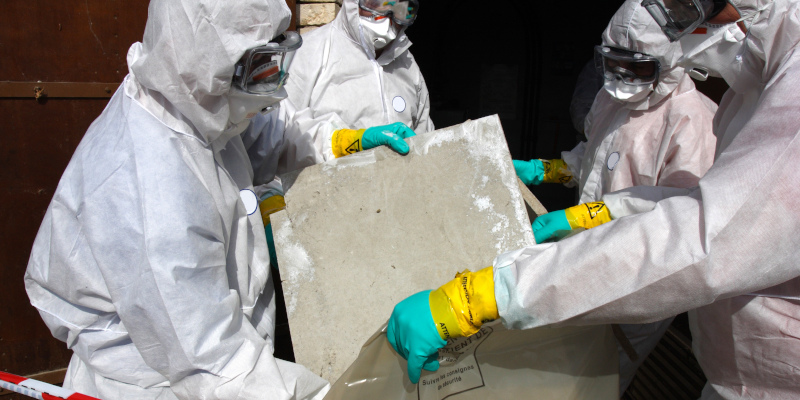
Almost everyone has heard of asbestos and knows that it can cause health issues, but you may not really understand what it is, when it was primarily used or what materials may contain it. Asbestos is a naturally occurring mineral that has been used in thousands of different materials, including many building materials. The use of asbestos was drastically reduced in the 1980s, so most modern building materials and buildings rarely contain asbestos. If your home or business was built before 1985, it is more likely that it may contain materials with asbestos.
“Remtech Environmental is a highly professional and very responsive company. I would recommend them to those who are looking for a skilled company to handle asbestos remediation.”
★★★★★ 22th August 2018 -Derek H.
Here at Remtech Environment, we can take samples of various materials in your building and have them evaluated for asbestos. If asbestos is present, we can help with the safe removal and disposal of the problem material. Once the removal is complete, we will complete secondary testing to make sure all asbestos is gone. We have been helping property owners with asbestos in the Raleigh, North Carolina area for over 20 years. Give us a call today.
Asbestos is a naturally occurring mineral that was extensively used in construction and manufacturing during the twentieth century due to its heat resistance, strength, and insulating characteristics. However, it is now understood to cause major health concerns if its fibers become airborne and ingested. Our team at Remtech Environmental is well-versed in asbestos and offers a wide range of services to help identify, remove, and dispose of it properly. Some of the common questions we get about asbestos and our services are answered below.
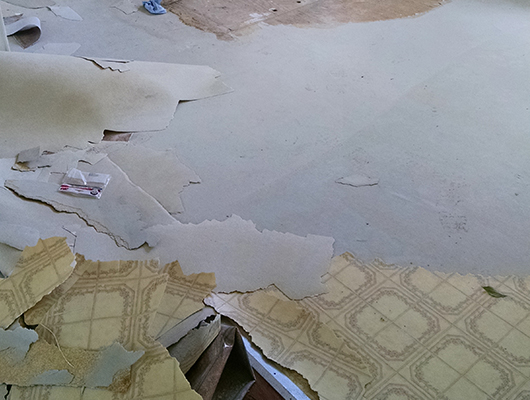
Insulation, roofing shingles, floor tiles, cement, siding, and HVAC duct tape or duct insulation are all places where asbestos might be found on your property.
Asbestos-containing products can discharge microscopic fibers into the air when disturbed. When breathed, these fibers can lodge in the lungs, causing inflammation, scarring, and deadly diseases such as mesothelioma, asbestosis, and lung cancer.
Asbestos is invisible to the human eye. The only way to establish its presence is to have a team, such as us, take samples of various materials in your house and have them tested. If you suspect asbestos on your property, it is important to contact us right away and not disturb it.
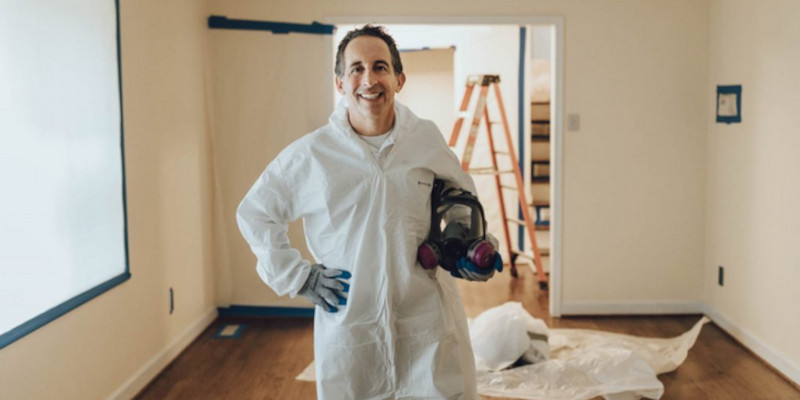
Once we complete the removal process, we will do secondary testing to make sure it has all been removed.
You can rely on us for testing, removal, abatement, and inspection.
At Remtech Environmental, we offer a range of services to help handle asbestos present in buildings throughout Raleigh, Durham, Cary, Asheville, Morrisville, Wake Forest, Wendell, Winston-Salem, Apex, Chapel Hill, and Greensboro, North Carolina.
Before we perform asbestos abatement, we begin by taking samples from the building for assessment. Read More →
Our technicians take all necessary safety precautions when performing asbestos popcorn ceiling removal to protect your home. Read More →
If your ceiling has an asbestos problem, you can count on us to remove it. Read More →
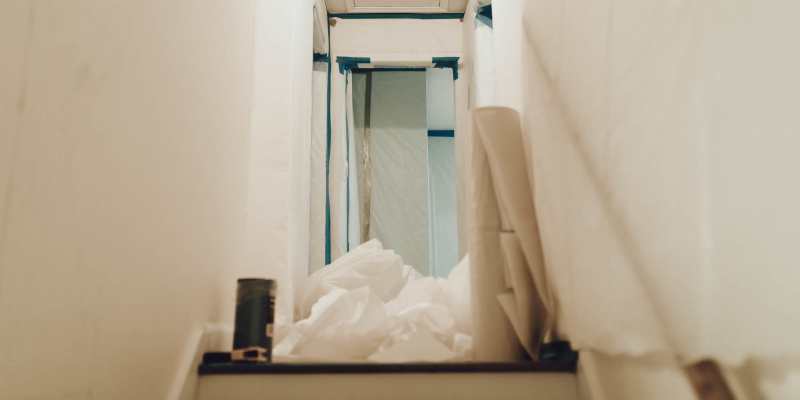
Asbestos in your flooring should be removed as soon as possible. Read More →
Keeping your home safe from toxic substances includes removing asbestos in the siding. Read More →
An asbestos inspection can protect your health and offer peace of mind. Read More →
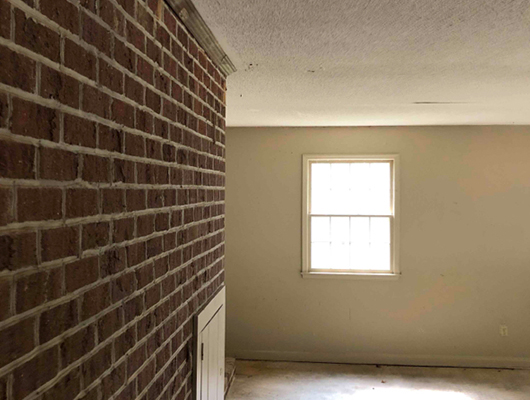
Asbestos testing can tell you the facts, so you can move forward. Read More →
Every Raleigh project follows a documented five-step protocol designed around EPA NESHAP standards and North Carolina's asbestos hazard management rules.
A North Carolina-accredited inspector walks the property, identifies suspect materials, and collects bulk samples following polarized light microscopy protocols. In older Raleigh homes, that typically means sampling popcorn ceiling texture, 9x9 floor tile and mastic, pipe insulation in basements common in Hayes Barton and Five Points, and any transite siding. Samples go to a NVLAP-accredited lab, and we receive results in 24 to 72 hours with the asbestos type and percentage clearly identified.
Once asbestos is confirmed, we isolate the work zone with 6-mil polyethylene sheeting and build a negative-air enclosure using HEPA-filtered air machines maintaining at least four air changes per hour. HVAC supply and return registers in the affected area are sealed and locked out. For Raleigh row homes and zero-lot-line builds in places like Cameron Village, we pay extra attention to shared wall and ceiling assemblies so fibers stay contained to the work area.
Licensed abatement workers wear full Tyvek suits and P100 respirators, and all asbestos-containing material is wetted with amended water before removal to suppress fiber release. We hand-remove popcorn ceilings, score and lift vinyl-asbestos tile, and glove-bag pipe insulation rather than disturbing it dry. Material is double-bagged in 6-mil labeled polybags as it leaves the containment, and load-out paths are sealed so nothing tracks into clean areas of the home.
After removal and HEPA vacuuming of all surfaces, an independent third-party industrial hygienist performs final clearance air sampling using PCM or TEM analysis. The containment stays sealed and under negative pressure until clearance results come back below the 0.01 fibers per cubic centimeter action level. We will not release a Raleigh job site until those numbers are documented in writing, and the homeowner receives a copy of every result.
All asbestos waste is hauled under chain-of-custody manifests to a North Carolina-permitted Subtitle D landfill licensed to accept regulated asbestos-containing material. You receive a complete project file: lab results, the NC DHHS notification of demolition or renovation, waste manifests with weights and disposal site signatures, and final clearance reports. That paperwork matters at resale in Raleigh, where buyers and lenders increasingly ask for abatement documentation on older properties.
From the late 1920s through the 1980s, North Carolina builders relied heavily on asbestos because it was cheap, fireproof, and locally available through suppliers in Charlotte and Norfolk. Raleigh's post-WWII housing boom, which produced most of the homes inside the Beltline and along Glenwood Avenue, coincided exactly with peak asbestos use in residential construction. That is why neighborhoods like Mordecai, Hayes Barton, and Country Club Hills routinely test positive during renovations. The materials most often confirmed in Raleigh-area homes include popcorn ceilings sprayed between roughly 1960 and 1985, 9x9-inch vinyl floor tile and its black cutback mastic, transite cement siding and corrugated roofing, asbestos cement pipe used in older sewer laterals, drywall joint compound, and pipe and boiler insulation in basements and crawlspaces. North Carolina regulates abatement under 15A NCAC 19C and the NC Asbestos Hazard Management Program within the Department of Health and Human Services, which requires accredited inspectors, licensed contractors, and pre-renovation notification on most regulated jobs. Wake County also enforces disposal restrictions, and real estate disclosure rules require sellers to report known asbestos. Skipping any of those steps creates legal and health liability that no DIY removal is worth.
Most Raleigh residential projects fall between $1,500 and $9,000, depending on scope. A single popcorn ceiling in a 200-square-foot bedroom typically runs $1,500 to $3,000, while whole-home ceiling removal in a 2,500-square-foot Five Points house can land around $7,000 to $9,000. Floor tile abatement runs roughly $5 to $15 per square foot. Pricing depends on the friability of the material, accessibility, square footage, lab fees, and disposal tonnage. We provide written, itemized quotes after the inspection, and we never quote sight-unseen because Raleigh's varied housing stock makes blind estimates inaccurate.
For most residential projects, yes. The work area is sealed under negative pressure and off-limits, but if abatement involves shared HVAC systems, central living areas, or whole-house popcorn ceiling removal, occupancy is unsafe and sometimes prohibited. For a small isolated job, such as a single bathroom or utility closet, you may be able to stay if there is a separate HVAC zone and entrance. We discuss this during the site walk and give you a clear answer before scheduling. Most Raleigh clients use the abatement window to take a short trip or stay with family.
Yes, heavily. The North Carolina Asbestos Hazard Management Program, administered by the NC Department of Health and Human Services Division of Public Health, requires accredited inspectors, licensed abatement contractors, licensed supervisors, and trained workers on regulated projects. The rules live in 15A NCAC 19C and align with federal EPA NESHAP and OSHA standards. Most renovation and demolition projects require a 10-working-day notification to the NC DHHS before work begins. Disposal must go to a permitted landfill, and waste manifests are mandatory. Hiring an unlicensed contractor in NC is illegal and voids most homeowner insurance coverage tied to the work.
Timelines depend on square footage and material type. A single popcorn ceiling room is usually a one-day job. Whole-home ceiling abatement in a 2,000 to 3,000 square foot Raleigh home generally runs three to five working days from setup through clearance. Floor tile removal across a similar footprint takes two to four days. Pipe insulation jobs vary widely based on linear footage. On top of fieldwork, build in a few days for lab turnaround on initial samples and another 24 hours for clearance air results. We schedule clearance testing the same morning we finish removal whenever possible to compress the timeline.
Removal means physically taking the asbestos-containing material out of the building and disposing of it. Abatement is the broader category and includes any action that controls asbestos exposure, including removal, encapsulation (sealing the material so fibers cannot release), and enclosure (building a permanent barrier around it). For example, intact transite siding on a Raleigh ranch can sometimes be encapsulated in place rather than removed, which costs less and eliminates demolition disturbance. The right approach depends on the material's condition, future renovation plans, and budget. We assess each option during the inspection.
Remtech Environmental serves every Raleigh neighborhood, including North Hills, Cameron Village, Five Points, Hayes Barton, Oakwood, Mordecai, Boylan Heights, Brier Creek, North Raleigh, Country Club Hills, Glenwood South, and the historic homes inside the Beltline. We also cover surrounding Wake County communities such as Garner, Knightdale, Wendell, Zebulon, Rolesville, and Wake Forest. Whether you own a 1920s bungalow downtown or a 1970s split-level in North Raleigh, we have handled the same construction era and material types many times before. Same-day inspection appointments are usually available across the Triangle.
Contact us today to schedule an inspection or receive a free quote for our services.
Get a Free QuoteReady to get started? Fill out the form below and we'll get back to you right away.
We believe that a job done right is the only way to sleep well at night.
Contact Us Today