
Common Problems With DIY Mold Removal Methods
Published by Remtech Environmental Team · Last updated April 2025
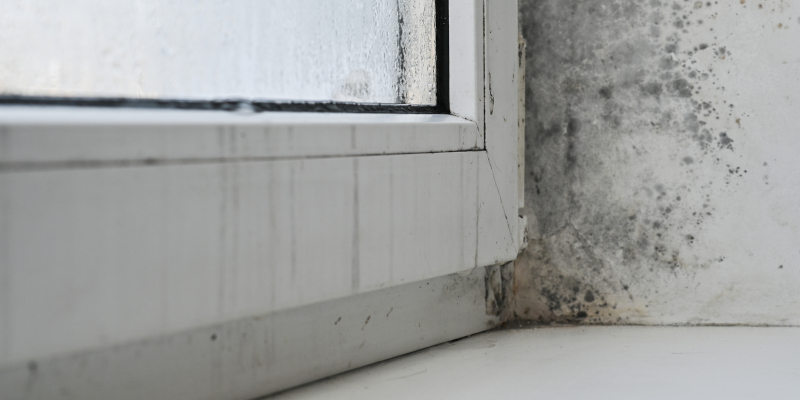
Early mold removal strategies are key to protecting your family’s health and your property before the mold spores can spread throughout the home. However, many DIY mold removal attempts can be ineffective at best and potentially harmful at worst. Using standard cleaning chemicals that you’d find at your local store isn’t the best solution to your home’s mold issue.
Here are a few of the most common problems that come with DIY mold removal techniques:
Our certified mold removal technicians are highly qualified in identifying and properly removing the mold growing in your home. For all your mold removal needs, be sure to give us a call here at Remtech Environmental.
- Ineffective results. Most DIY mold removal targets visible spores with bleach or other cleaners. While these cleaners may eliminate these visible signs, they don’t remove the mold spores at their source. You’re likely to see regrowth in a short amount of time when you take the DIY route.
- Poor safety practices. Handling mold in any capacity is a health hazard. That’s why it’s important to wear the right protective gear when removing mold. Our mold removal technicians utilize respirators to help them stay safe and prevent breathing in mold spores as much as possible to avoid getting sick.
- Accidental spreading. The last thing you want with mold removal is to accidentally spread spores to another area of your home. However, improper mold handling makes spreading mold growth more likely, worsening the problem and leading to more extensive removal needs. It’s best to avoid transporting mold from one area to the next by reaching out to the professionals when you notice mold growth.
Walk down the cleaning aisle of any North Carolina hardware store and you will find shelves of products marketed as one-step solutions to household mold. Bleach sprays, hydrogen peroxide foams, vinegar concentrates, and specialty fungicides all promise fast, affordable results, and for a small spot of surface mildew on a non-porous tile, many of them perform reasonably well. The trouble begins when homeowners apply the same logic to genuine mold contamination on porous building materials such as drywall, framing lumber, carpet padding, or HVAC components. The IICRC S520 standard, the EPA Mold Remediation in Schools and Commercial Buildings guide, and the NC DHHS indoor air quality program all converge on the same conclusion: visible mold growth larger than approximately 10 square feet, growth associated with sewage or unknown water sources, and growth that has penetrated structural assemblies should be addressed by trained professionals. This article walks through five of the most consequential failure modes we see when homeowners attempt their own mold remediation, why each one matters, and what a professionally executed project looks like instead.
Five Critical Problems With DIY Mold Remediation
Most DIY mold projects fail not because the homeowner lacks effort but because the standard residential approach skips the engineering controls and verification steps that make professional remediation effective. The five issues below are documented repeatedly in post-remediation reinspections we perform after failed DIY attempts.
Cross-Contamination Spreads Spores Throughout the Home
Mold colonies release enormous numbers of spores when they are disturbed, and ordinary residential cleaning techniques such as scrubbing, wiping, vacuuming with a non-HEPA unit, or running a household fan in the affected area can aerosolize those spores and distribute them throughout the building. The HVAC system then acts as a conveyor, pulling contaminated air through the return ducts and depositing spores in previously unaffected rooms. The IICRC S520 standard specifically requires containment with physical barriers, negative air pressure, and HEPA filtration before any disturbance of contaminated materials. DIY projects almost universally skip this step, and the result is that a contamination originally limited to a single bathroom can become a whole-house problem within a few hours. Once spores have spread, the cost and complexity of remediation increase dramatically.
Surface Cleaning Leaves the Underlying Contamination Intact
Mold that has grown on or into porous materials such as paper-faced drywall, particleboard, raw lumber, insulation, or carpet padding cannot be reliably removed with surface cleaning alone. Hyphae, the root-like structures of fungal colonies, penetrate into the substrate and continue to grow even after visible surface staining has been wiped away. The EPA explicitly states that porous materials with significant mold growth should be removed and replaced rather than cleaned, and the IICRC S520 standard treats removal as the default approach for affected porous materials. DIY projects that focus on visible staining create the appearance of resolution while leaving the actual contamination in place, which is why regrowth in the same location within weeks or months is one of the most common signs of a failed do-it-yourself attempt.
The Underlying Moisture Source Is Never Identified or Repaired
Mold cannot grow without sustained moisture, which means every legitimate remediation project must begin with identification and correction of the water source feeding the colony. DIY attempts almost always reverse this priority, focusing on the visible symptom while ignoring the underlying plumbing leak, condensation issue, foundation moisture problem, or humidity control deficiency that produced the growth in the first place. Even a perfectly executed cleaning will fail within a matter of weeks if the moisture source remains active and untreated. Professional remediation protocols require moisture meter readings on affected and adjacent materials, thermal imaging where appropriate, and a written cause-and-origin determination before remediation work begins on site. Without that diagnostic step, remediation simply becomes a recurring expense rather than a permanent solution to a structural problem the home is actively producing.
Mycotoxin and Spore Exposure During the Cleaning Process
Personal protective equipment is one of the most overlooked aspects of DIY mold work in North Carolina homes. Industry-standard PPE for mold remediation includes a half-face or full-face respirator fitted with P100 filters, disposable coveralls, nitrile gloves, and sealed eye protection. Homeowners typically work in street clothes with at most a paper dust mask, which provides essentially no protection against airborne mold spores or the mycotoxins produced by certain species such as Stachybotrys chartarum. Direct exposure during disturbance can produce respiratory irritation, allergic reactions, asthma exacerbation, and in immune-compromised individuals more serious systemic responses. Bleach, the most common DIY agent, also produces irritating chlorine fumes and reacts dangerously with ammonia-based cleaners. Professional crews mitigate these risks through engineering controls, full containment, and trained use of PPE on every project.
No Post-Remediation Verification or Clearance Testing
The final and arguably most important gap in DIY mold work is the complete absence of verification. A properly executed professional project ends with a post-remediation verification process, which may include visual inspection by an independent third party, moisture content readings to confirm the affected materials have been dried below the level supporting fungal growth, and air or surface sampling analyzed by an accredited laboratory. The goal is documented, defensible evidence that the contamination has been removed and the conditions that originally produced it have been corrected. DIY projects have no equivalent step, which means the homeowner has no objective basis for believing the problem is actually resolved and no written documentation to provide future buyers, insurers, healthcare providers, or attorneys if questions arise later.
Understanding the IICRC S520 Standard and Why It Matters
The Institute of Inspection, Cleaning and Restoration Certification publishes the S520 Standard for Professional Mold Remediation, which represents the consensus practice for the industry and is referenced by insurers, regulators, and public health agencies throughout the country. The standard is built on a sequence of principles that DIY work consistently violates. Provide for the safety and health of workers and occupants, which requires PPE, containment, and notification. Document conditions and work processes, which requires moisture mapping, photographs, and written scope. Control the contaminant at its source, which requires source removal rather than surface treatment. Remove the contamination, which prioritizes physical removal of affected porous materials. And correct the moisture problem, which requires identification and repair of the underlying water source. Each of these principles is grounded in decades of field experience and laboratory research, and each one represents a step that DIY projects routinely skip. The North Carolina Department of Health and Human Services indoor air quality program references the same body of guidance and consistently advises homeowners with significant mold growth to engage qualified professionals. Remtech Environmental structures every project around the S520 framework, which is why our remediation work produces durable, documented results that DIY approaches cannot match.
When to Stop DIY and Call a Professional Remediator
Not every spot of mildew requires a full-scale remediation project. Small areas of surface mildew on non-porous materials such as ceramic tile or glass, found in well-ventilated areas with no underlying moisture problem, can often be addressed by homeowners following the EPAs published guidance with appropriate PPE. The threshold for professional involvement, however, is lower than most people assume. The EPA recommends professional remediation for any mold growth larger than approximately 10 square feet, any growth associated with sewage or contaminated water, any growth on porous structural materials, any growth in HVAC systems, and any situation where occupants are experiencing health symptoms that may be related to indoor air quality. If any of these conditions apply, the most cost-effective path forward is to stop disturbing the area, document what you see, and schedule a professional assessment. Remtech Environmental serves homeowners and commercial property owners across North Carolina with IICRC-aligned mold inspection, remediation, and clearance testing. Our process begins with a thorough moisture investigation, includes full containment and HEPA filtration during work, and concludes with post-remediation verification documented in a written report that you can keep on file. We also coordinate directly with insurance adjusters when claims are involved, which simplifies the process for homeowners dealing with covered losses.
Additional Mold Resources From Remtech Environmental
If you are weighing professional remediation against a DIY attempt, our additional homeowner resources may help inform your decision. Our mold remediation service page outlines what a professional project looks like step by step, including containment, removal, drying, and verification. We also publish detailed articles on the common household problems that lead to mold damage, the health effects of mold exposure, and the role of mold air sampling in building investigations. For active water damage that has not yet produced visible mold, our water damage restoration page describes the structural drying process that prevents mold from taking hold in the first place. Free assessments are available throughout North Carolina.
Key Takeaways
- DIY mold removal commonly fails due to cross-contamination, incomplete remediation of porous materials, ignored moisture sources, mycotoxin exposure, and the absence of clearance testing.
- The IICRC S520 standard requires containment, HEPA filtration, source removal, and post-remediation verification, all of which are routinely skipped in DIY attempts.
- Surface cleaning with bleach or retail sprays does not remove mold that has penetrated drywall, framing, insulation, or carpet padding and almost always allows regrowth.
- The EPA recommends professional remediation for mold growth larger than approximately 10 square feet, growth in HVAC systems, growth from contaminated water, or growth associated with occupant health symptoms.
- A professional remediation produces written documentation including moisture readings, scope of work, and clearance results that protects homeowners during real estate transactions and insurance claims.
Need Help with Environmental Services?
If you have concerns about mold, asbestos, or water damage in your property, contact Remtech Environmental today for a free consultation.
Get a Free Quote