
5 Things to Keep an Eye Out for With Flood Damage
Published by Remtech Environmental Team · Last updated April 2025
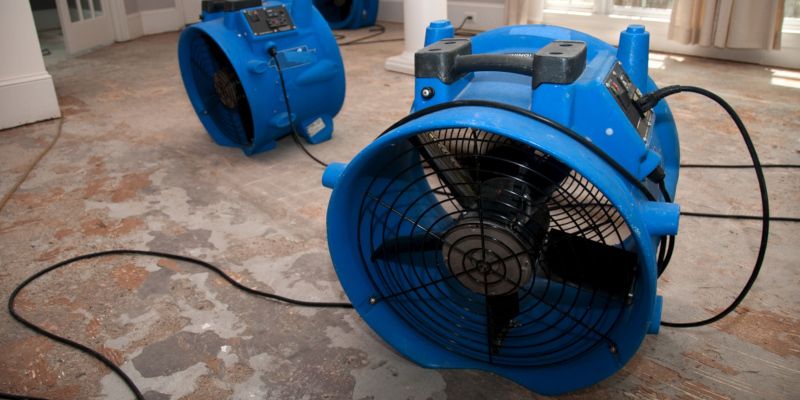
Whether it’s a bad storm, a hurricane, or just a leaky pipe, flood damage is common in North Carolina. Here are five things to keep an eye on when it comes to flood damage in your home:
1. The cause of the flooding: Was the flood damage caused by a bad storm, a leak in the doorway or window, or a leaky pipe? If it’s something that can be repaired, it’s important to fix it right away to prevent any additional water damage.
2. Standing water: You’ll want to eliminate any standing water in your home, whether you can see it or only feel it in a soaked carpet. Removing water and drying everything as soon as possible is a good way to prevent mold.
3. Moisture levels: You may not be able to do this one on your own, but some restoration companies will use infrared scanners to check the moisture levels to see the extent of the flood damage. If the moisture levels are too high in some areas, it might be better to replace the structural components like drywall and carpeting rather than repairing them.
4. Potential mold spots: As much as we hate to admit it, flood damage and mold growth often go hand-in-hand. If you’ve had a recent flooding, even if it was just a small yet persistent water leak, it’s important to check for mold spots in the carpets or on the walls. A good way to tell is if there’s a musty smell in the air.
5. Additional leaks: The smallest water leaks may not be your main concern when it comes to flood damage, but it’s still important to get them fixed before they cause any issues in the future.
If you’ve had a recent flood in your home and need some help, give us a call today at Remtech Environmental.
North Carolina homeowners know that flood damage is rarely a question of if, but when. From Hurricane Florence in 2018, which dropped over 30 inches of rain across parts of the state, to Hurricane Helene's catastrophic flooding across western North Carolina in 2024, the Tar Heel State sits squarely in the path of recurring tropical storms, river overflows, and inland flash flooding. Even outside hurricane season, leaking supply lines, sewer backups, and roof failures can saturate a home within hours. What separates a manageable cleanup from a five-figure restoration project is how quickly you identify the warning signs and respond decisively. Knowing what to look for after water intrusion, whether the source is a Category 3 storm or a slow drip beneath a kitchen sink, gives you the leverage to protect your structural framing, your indoor air quality, and your family's long-term health before secondary damage compounds the loss and pushes recovery costs into far more expensive territory.
Critical Warning Signs Every North Carolina Homeowner Must Recognize After Flooding
After any flood event, the visible water is only the beginning of the story. The IICRC S500 Standard for Professional Water Damage Restoration emphasizes that the first 24 to 48 hours are decisive. Recognizing these five signs early lets certified technicians intervene before microbial growth, rot, or contamination push the job into a far more expensive remediation category.
Persistent or Returning Water Stains and Discoloration
Yellow, brown, or rust-colored stains on ceilings, drywall, baseboards, and subflooring are textbook indicators of active or recent water intrusion that demand attention. In North Carolina's humid climate, these stains often expand even after the initial leak appears repaired, signaling that moisture is still wicking through gypsum board or behind paint layers. Hurricane Florence taught Raleigh, Wilmington, and New Bern homeowners that a single stain can map back to compromised flashing, failing roof decking, or a hidden plumbing breach behind the wall. If a previously dried stain darkens, grows, or returns after rain, treat it as evidence of an unresolved water source. Document each stain with timestamped photos, and request a moisture assessment from an IICRC-certified water mitigation specialist before repainting, which only masks the underlying defect temporarily.
Hidden Moisture in Wall Cavities, Subfloors, and Insulation
The most damaging moisture is the moisture you cannot see. Floodwaters travel through capillary action, climbing several feet up drywall, saturating fiberglass insulation, and pooling beneath laminate or engineered hardwood. Surface materials may feel dry within days, while the wall cavity behind them remains above 16 percent moisture content for weeks, the threshold at which structural wood begins to lose integrity and microbial colonies establish. Professional restoration teams use thermal imaging cameras and pin-type moisture meters to map the true saturation footprint accurately. After Hurricane Helene, many western North Carolina homes that appeared dry on the surface still required selective demolition once hidden saturation was revealed. Skipping this verification step is the single most common reason flood losses escalate into expensive mold remediation projects months later, often after insurance windows have closed.
Musty Odors and Visible Mold Colonization
A musty, earthy smell is the olfactory signature of microbial volatile organic compounds, or MVOCs, released by actively growing mold colonies inside walls and cavities. The EPA notes that mold can begin colonizing wet porous materials within 24 to 48 hours, which is why rapid water extraction is non-negotiable after any flood. Look for fuzzy black, green, or white growth along baseboards, behind furniture pressed against exterior walls, inside HVAC supply boots, and on the underside of subflooring in crawl spaces. North Carolina's high ambient humidity, often above 70 percent during the warm months, accelerates colonization in any home that retains residual moisture. If you notice a recurring odor every time the air conditioner cycles, the contamination has likely reached the ductwork and warrants third-party air quality testing.
Structural Movement, Sagging, or Soft Spots Underfoot
Saturated framing loses load-bearing capacity quickly. Walk every room methodically and pay attention to floors that feel spongy, bounce more than usual, or slope toward a wall. Door frames that suddenly stick, drywall cracks radiating from corners, and ceiling sag are red flags that water has compromised joists, rim boards, or load-bearing studs beneath the surface. In coastal North Carolina counties like Brunswick, Pender, and Carteret, repeated storm cycles have produced cumulative structural damage that only becomes obvious after a follow-up event years later. Any soft spot, uneven floor, separated trim, or new drywall crack following a flood event should trigger a structural inspection before refinishing or cosmetic work begins, since cosmetic repairs over a weakened frame fail predictably and quickly.
Contamination Indicators in Category 2 and Category 3 Water
Not all floodwater is created equal. The IICRC classifies water as Category 1 (clean), Category 2 (gray, with significant contamination), or Category 3 (black, grossly contaminated with sewage, river overflow, or hurricane storm surge). Hurricane floodwaters in North Carolina are almost always Category 3 because they collect agricultural runoff, septic discharge, fuel, and pathogens during their travel across the landscape. Warning signs include visible debris in the water line, sewage odor, oily sheens on standing water, or staining well above the original flood line. Category 3 water requires removal and disposal of all porous materials it contacted, including drywall, carpet, padding, insulation, and unsealed cabinetry without exception. Attempting to dry these contaminated materials in place violates restoration standards and creates ongoing health hazards for occupants.
Why North Carolina's Flood Profile Demands a Faster Response
North Carolina sits at the convergence of three flood risk zones: Atlantic hurricane landfall corridors, the Appalachian flash flood belt, and a network of slow-draining coastal rivers including the Neuse, Cape Fear, and Lumber. Hurricane Floyd in 1999, Hurricane Matthew in 2016, Hurricane Florence in 2018, and Hurricane Helene in 2024 each rewrote local flood maps and exposed homes that had never previously taken on water. Helene alone caused unprecedented inland flooding across Asheville, Boone, and the Blue Ridge, areas that historic FEMA maps had not flagged as high-risk. This pattern means North Carolina homeowners cannot rely on flood zone designations alone to gauge their exposure. Climatic shifts have also extended the saturation window. Warmer Atlantic waters fuel slower-moving storms that dump more rainfall over longer durations, and humid post-storm conditions delay natural drying. A home that might have dried passively in two weeks during the 1990s now often requires active dehumidification for the same recovery. The practical implication is that the response window for flood damage in North Carolina has compressed. Mold can establish in under 48 hours, and structural drying must be measured and verified, not assumed. Working with a local restoration provider who understands the state's geography, the prevailing weather patterns, and the documentation requirements of regional insurers and FEMA claims is the single most reliable way to limit loss after a flood event.
What to Do in the First 24 Hours After Flood Damage
The decisions you make during the first day after a flood often determine whether your claim closes at $5,000 or $50,000. Begin by ensuring personal safety: shut off electrical power at the main breaker before stepping into any standing water, and avoid contact with floodwater that may contain sewage, fuel, or live current. Once safe, document everything. Take wide-angle and close-up photographs of every affected room, every saturated material, and every personal item before you move anything. Insurance adjusters and FEMA reviewers rely on this evidence, and gaps in documentation translate directly to denied line items. Next, contact a certified water damage restoration company that follows IICRC S500 protocols. Reputable providers respond within hours, perform a moisture mapping assessment, set up commercial-grade extraction and dehumidification, and document drying logs that support your insurance claim. Do not throw away damaged materials before the adjuster sees them, but do separate salvageable contents from non-salvageable ones in a dry staging area. Finally, notify your homeowners insurance carrier and, if applicable, your flood insurance provider. Federal flood policies under the National Flood Insurance Program have strict notification windows, and missing them can void coverage. A coordinated response in the first 24 hours, anchored by a qualified local restoration partner, is the difference between a recovered home and a lingering loss.
Connect Your Flood Recovery to the Right Remtech Services
Flood damage almost never travels alone. After water intrusion, our team coordinates a complete recovery path through our Water and Flood Damage Restoration service, which handles emergency extraction, structural drying, and content recovery on tight insurance timelines. Because microbial growth follows moisture within 48 hours, we pair every flood job with a thorough Mold Inspection and, when warranted, full Mold Remediation under IICRC S520 protocols. Older North Carolina homes built before 1990 may also contain Asbestos in flooring adhesives, popcorn ceilings, or pipe insulation that becomes friable when saturated, so a sample-based Asbestos Inspection is critical before any demolition begins.
Key Takeaways
- North Carolina's hurricane history, from Floyd through Helene, makes recurring flood exposure a baseline planning assumption, not a rare event.
- Watch for stains, hidden moisture, musty odors, structural movement, and contamination signatures within the first 48 hours after any water event.
- Hidden saturation behind walls and beneath floors is the leading cause of avoidable mold remediation projects months after the original flood.
- Hurricane floodwater is almost always IICRC Category 3, requiring disposal of porous materials and professional decontamination protocols.
- Document every loss, contact an IICRC-certified restoration provider quickly, and coordinate with insurance within the first 24 hours.
Need Help with Environmental Services?
If you have concerns about mold, asbestos, or water damage in your property, contact Remtech Environmental today for a free consultation.
Get a Free Quote