
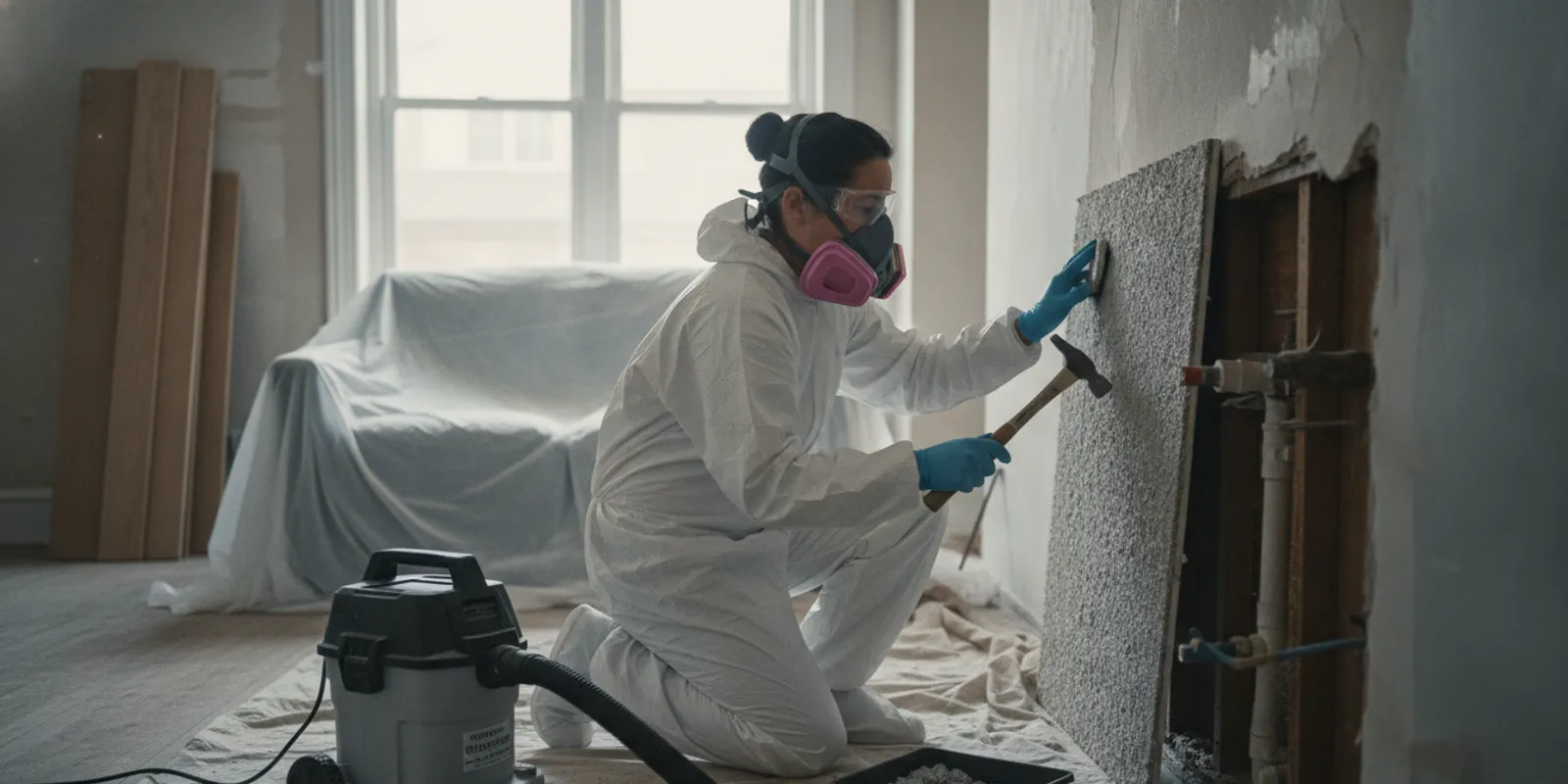
If you have found a material that may contain asbestos, it is understandable to ask, can you remove asbestos yourself? In most cases, the safer answer is not to disturb it or attempt removal. The material may release fibers when damaged, and what to do next depends on its condition, location, and the work planned. A calm, informed assessment is a better first step than guessing.
Can you remove asbestos yourself without creating more risk?
Asbestos is a name for a group of mineral fibers that were used in some building materials because of their useful physical properties. The concern is not simply that a material is present. Fibers can become airborne when an asbestos-containing material is cut, sanded, drilled, broken, scraped, or otherwise disturbed. Inhaling fibers can cause serious disease. The risk depends on the material and the circumstances, so a visual look alone cannot reliably determine what is present or whether it is hazardous.
Removal work is more than lifting out a piece of material. It can involve assessing the scope, controlling access and airborne dust, selecting suitable work practices and protective equipment, containing debris, and arranging appropriate handling and disposal. An improvised approach can spread contamination into rooms, furnishings, clothing, or ventilation paths. That may turn a limited concern into a larger cleanup and make it harder to understand what areas were affected.
The U.S. Environmental Protection Agency tells homeowners not to dust, sweep, or vacuum debris that may contain asbestos, and not to saw, sand, scrape, or drill materials that may contain it. If you are unsure, treat the material as if it contains asbestos and leave it alone. Sampling by an untrained person is not recommended, because it can release fibers. Read the EPA guide on protecting your family from asbestos.
This does not mean every older material must be removed. If material is intact, in good condition, and not likely to be disturbed, leaving it undisturbed may be a sensible option. Whether that is appropriate depends on the situation and any work being planned. An assessment can help distinguish “leave in place and manage” from “further evaluation or abatement is needed.”
If you ask can you remove asbestos yourself, what should you do instead?
- Stop work near the material. If you or a contractor has begun cutting, drilling, sanding, or pulling at it, pause the activity. Do not keep working to finish the task.
- Keep people away from the immediate area. Avoid touching the material or nearby debris. Do not sweep, vacuum, scrape, or carry suspect pieces through the property. If you can do so without approaching or disturbing the material, prevent others from entering the area.
- Record what you can observe from a safe distance. Note the room or building area, the material’s general appearance, whether it appears damaged, and what renovation or maintenance work is planned. Photos taken without handling or getting close may help explain the concern.
- Do not collect your own sample. Taking a sample can disturb the material and expose you to fibers. Ask a qualified professional about assessment and, if appropriate, sampling through a suitable process.
- Get guidance before resuming work. A qualified asbestos professional can discuss assessment, testing where appropriate, and options based on the findings. If the project is commercial or involves contractors, coordinate the next steps with the building owner or responsible project manager.
These precautions are about avoiding disturbance, not making a diagnosis from a photograph or age of a building. Some materials that look alike have different compositions, and asbestos cannot be confirmed by sight. An older building raises a question to investigate; it does not prove that a particular material contains asbestos.
How can you tell whether a material contains asbestos?
You generally cannot confirm asbestos by color, texture, brand, or appearance. Materials of concern may be found in different parts of older buildings, including some insulation, floor products, ceiling finishes, and other building components. But these are examples of categories that may warrant professional attention, not a checklist that establishes what is in your home.
Age and renovation history can help a professional understand what to evaluate, but neither is a substitute for appropriate assessment. If confirmation is needed, a qualified person can explain whether sampling and laboratory analysis fit the project. Avoid breaking off a piece to take to a store, contractor, or testing facility. Keep the material as undisturbed as possible while arranging advice.
For more background on the hazard and why disturbance matters, see Remtech’s explanation of why asbestos can be harmful and its overview of what property owners should know about asbestos. Those resources provide general context; they do not identify the composition of a specific material in your building.
Does every asbestos-containing material need to be removed?
No. Removal is not automatically the right answer whenever asbestos is present. If a material is intact and can remain undisturbed, management in place may be an option. If it is damaged, likely to be disturbed during planned work, or difficult to protect, a professional may recommend additional steps. The proper response depends on condition, location, access, and the project scope.
Abatement may involve removal or other approved controls appropriate to the material and circumstances. The terms can be used differently in conversation, so ask the professional to explain exactly what work is proposed and why. A written scope should make clear which materials and areas are included, what controls will be used, how the work area will be managed, and what closeout information you can expect.
It can help to think of the decision in stages: identify the concern, understand whether it has been confirmed, choose a response based on condition and planned work, and document the result. Avoid treating removal as the only possible outcome before the facts are known. Remtech’s overview of the basics of asbestos abatement and its explanation of how abatement work is planned can help you prepare questions for a consultation.
What is the difference between leaving, assessing, and removing?
| Next step | When it may fit | What the owner should do |
|---|---|---|
| Leave undisturbed and manage | Material appears intact and no near-term work is expected to affect it, subject to professional guidance when warranted. | Keep people from damaging it, note its location, and tell future contractors before work begins. |
| Arrange professional assessment | You are unsure what the material is, its condition is concerning, or renovation may affect it. | Pause disturbance, describe the project, and ask whether inspection or sampling is appropriate. |
| Plan professional abatement | Assessment and project conditions indicate that removal or another control is appropriate. | Review the written scope, work-area controls, schedule, access plan, and closeout information before authorizing work. |
The table is a planning aid, not a substitute for an on-site evaluation or current regulatory guidance. A property owner should not decide that a material is safe based only on its appearance or on a neighbor’s experience with a similar-looking product.
Before you speak with a professional, write down what decision you need to make. For example, are you trying to understand a material before renovating one room, respond to damage observed during maintenance, or plan work in a commercial space? These situations can call for different assessments. State what is known, what is only suspected, and what is unknown. That distinction helps avoid treating an initial observation as a confirmed finding.
Also make a simple list of the areas involved and the work proposed in each area. If a contractor’s plans or a building drawing are available, have them ready, but do not mark or handle suspect material to gather more detail. Tell the professional about any previous reports or work, including the date and the area covered when you know it. A report for one room or material may not answer a question about another part of the building.
Ask what the assessment will and will not establish. It may address a defined area or planned scope rather than every surface in the property. Ask how the findings will be explained, whether the written recommendations will distinguish confirmed information from assumptions, and what would trigger a change in the proposed plan. Clear limits are useful: they help you understand what a report covers and what follow-up, if any, remains.
Ask About Your Asbestos Concern
What rules apply to asbestos work in North Carolina?
Requirements can depend on the type of building, the work being done, who is performing it, the materials involved, and whether the project falls within state or federal regulatory programs. Some requirements apply to particular demolition or renovation projects and work activities; they are not a universal instruction that every homeowner must follow the same process. Local requirements or project conditions may also matter.
Because requirements are specific to the project and can change, do not rely on a general blog post to decide whether a notification, permit, inspection, or other step applies to your property. Ask a qualified professional to explain the applicable pathway for the actual project, and verify any regulatory question with the relevant North Carolina or federal authority. If you are a property manager or business owner, keep the project decision-maker, building occupants, and contractors aligned before work proceeds.
Remtech serves residential and commercial properties in North Carolina and describes its services and work approach on its Raleigh-area environmental services page. You can also review the company’s background and approach. Ask directly how the team’s applicable qualifications relate to your scope; do not assume that a credential or a general service description answers every project-specific compliance question.
How do you choose a qualified asbestos professional?
Look for clear answers, a scope that matches the concern, and a professional who is willing to explain options without pressure. Ask about relevant experience, applicable credentials, insurance, the assessment process, and how the proposed work will be controlled. Requirements and suitable credentials vary with the project, so have the professional explain what applies rather than relying on a label alone.
- What information do you need before recommending work? A useful response should consider the material, condition, location, planned renovation, and the people who may be affected.
- Will the material be identified before removal is proposed? Ask how the professional will determine what is known and what remains uncertain, including whether testing is appropriate.
- What exactly is included in the written scope? Clarify rooms, materials, preparation, controls, debris handling, schedule, and any limits or exclusions.
- How will access and communication be managed? Find out who should stay clear of the work area, how occupants or tenants will be informed, and who can answer questions during the project.
- What records will I receive? Ask what project documentation, test information if applicable, and closeout details will be provided.
- How is the project price determined? A responsible quote should be tied to the defined scope and site conditions. Remtech provides consultation-based, project-specific quotes rather than a universal rate.
Compare proposals by scope, explanation, and safeguards, not just by a headline price. If two proposals describe different work, ask each provider to identify the differences before comparing them. Remtech’s asbestos service information for Raleigh and Apex asbestos service page can help local property owners find relevant service details. The company also serves other North Carolina communities; check its service area information to see the locations covered.
What if a renovation is planned?
Raise the asbestos question before demolition, repairs, or remodeling begins, not after a suspect material has been cut or removed. Tell the contractor what you have observed and share any prior inspection or abatement records. Ask who is responsible for determining whether the planned work could affect suspect materials and how that question will be resolved before work starts.
If you are buying or selling a property, managing a rental, or preparing a commercial space for changes, put the concern and the agreed next steps in writing. Keep relevant reports, proposals, project records, and communications together. Share information with future contractors when it could affect their work. Records help others understand what was assessed and what areas or materials were included; they should not be interpreted as a blanket finding about parts of the property that were not evaluated.
Owners can also make a short project brief before seeking advice. Note the building area, the work planned, the target schedule, any known material history, and whether the area is occupied. This makes it easier to discuss scope and helps prevent an assumption that the professional is being asked to evaluate the entire property when the concern is limited to one room or planned task.
For a multi-unit or commercial property, designate one person to coordinate questions and share confirmed information with the people who need it. Tenants, employees, contractors, and building managers may have different roles, so explain what area is being evaluated and whether access should be avoided while a plan is developed. Do not circulate an unconfirmed guess as if it were a test result. If work is scheduled in phases, ask whether the assessment and proposed controls cover each phase, or whether a later phase needs a separate review.
During a consultation, explain the practical constraints as well as the suspected material: room access, furnishings or equipment that cannot be moved easily, occupant schedules, and nearby work that might affect the area. The professional can then identify what additional information is needed and whether the proposed scope reflects those conditions. If the recommendation changes after assessment, ask what new finding prompted the change and request an updated written scope before work proceeds.
Discuss Your Project With Remtech
Frequently Asked Questions
Can a homeowner remove asbestos themselves?
Trying to remove a suspect material yourself is not a safe default. Disturbance can release fibers, and the right controls and legal requirements depend on the material and project. Leave it alone, keep others from disturbing it, and ask a qualified professional to explain the appropriate next step.
Can I tell whether a material contains asbestos by looking at it?
No. Appearance alone cannot confirm whether a material contains asbestos. Do not break or scrape it to investigate. A qualified professional can explain whether an assessment and sampling are appropriate.
Is it safer to leave suspected asbestos in place?
It may be appropriate to leave intact material undisturbed, but that depends on its condition, location, and whether future work could affect it. Get project-specific guidance rather than assuming either that removal is always needed or that leaving it is always safe.
What should I do if a contractor has already disturbed the material?
Ask the contractor to stop work in the affected area and keep people from entering or cleaning it. Do not sweep or vacuum debris. Contact a qualified asbestos professional to discuss the circumstances and appropriate assessment and next steps.
How much does asbestos removal cost?
There is no single price that applies to every project. The cost depends on the material, area, access, controls, and defined work scope. Ask for a consultation and a project-specific written quote before authorizing work.
Plan the next step around the material and the work
If you are unsure whether you can remove asbestos yourself, focus first on preventing disturbance. Do not assume that a material contains asbestos, but do not test that assumption by pulling, sanding, or cutting it. Get the facts, ask what options fit the actual project, and make sure the scope and controls are explained before work begins.
Talk With Remtech About Your Concern
With a clear assessment and a project-specific plan, North Carolina property owners can make an informed decision without guesswork or pressure.