
Finding old pipe insulation in pre-1985 buildings triggers immediate compliance duties for North Carolina property owners. You must follow strict state and federal rules to protect public health and avoid costly legal errors.
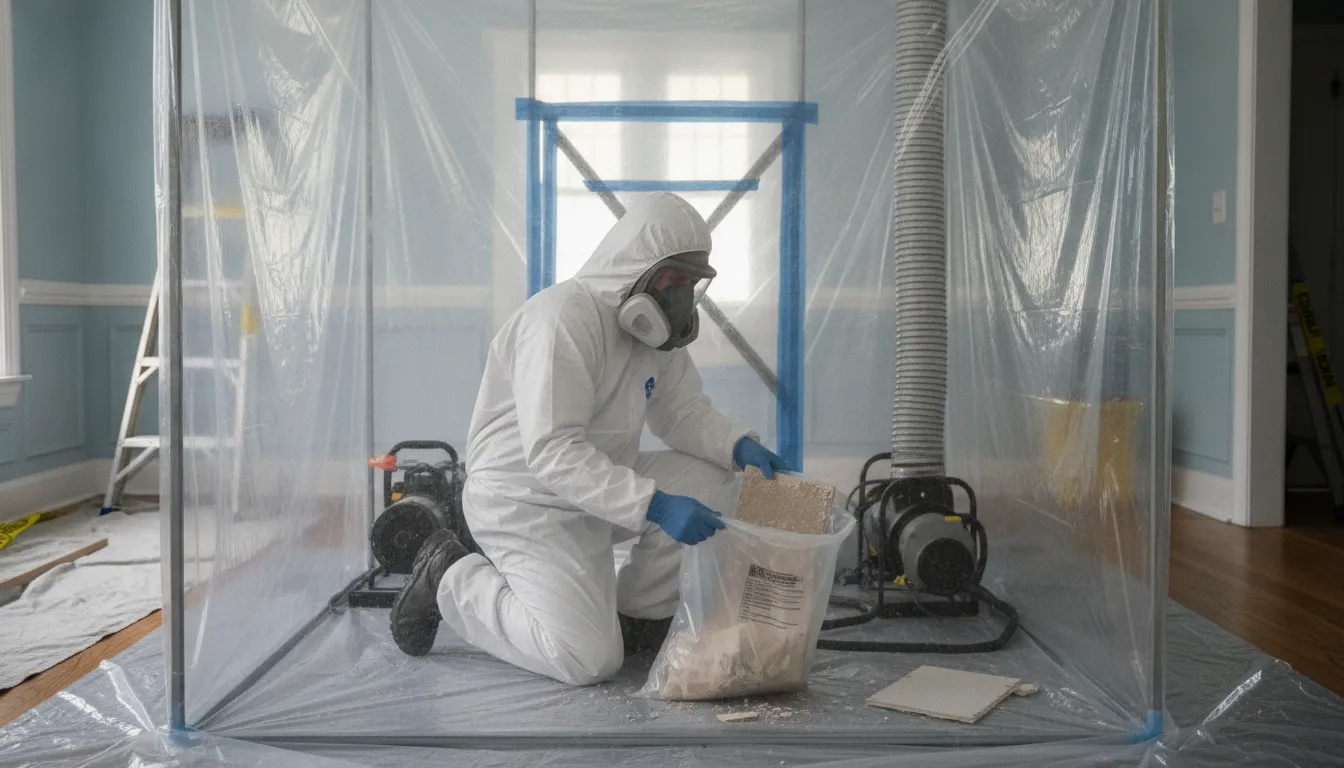
The asbestos disposal North Carolina regulations force local property owners to manage this toxic waste with extreme care to protect public health. Federal and state laws dictate that you must properly find, wet, double-bag, and label any building material that has more than one percent asbestos. You must never throw this hazardous waste into normal trash, and you must transport it to landfills that are approved to take asbestos. Under federal NESHAP guidelines, you must also keep detailed shipping records of each load to prove safe, lawful delivery. Hiring an accredited environmental expert is the safest way for you to stay fully compliant and avoid severe daily fines from the state.
Managing these strict environmental rules can feel overwhelming for many building owners. Fortunately, learning the exact steps for compliance can keep your project safe and legally sound. This detailed overview explains the essential compliance steps behind the asbestos disposal regulations for North Carolina property owners.
A Guide to Asbestos Disposal North Carolina Regulations for Property Owners
Asbestos is a toxic mineral once used in many building products. When these products break or wear down, they release tiny fibers into the air. Breathing these fibers can cause severe lung disease and cancer. This is why asbestos is dangerous to anyone nearby.
Because of these health risks, federal and state laws control how you must handle and discard asbestos. If you own a home or a business, you must follow these rules to keep people safe. Doing things the right way helps you avoid high fines and legal steps.
Federal rules for asbestos waste
At the federal level, the government sets the standards for handling asbestos waste. Under the National Emission Standards for Hazardous Air Pollutants, asbestos is treated as a harmful air pollutant. Federal rules require strict safety steps during any building teardown or remodel project. The main goal of these rules is to prevent toxic dust from getting into the air we breathe.
Under federal rules, you cannot throw asbestos waste into the regular trash. It must be wet down, sealed in tight bags, and taken to an approved dump. These laws apply to most offices and public buildings, as well as large housing units. If you do not follow these rules, you may face federal fines and lawsuits.
State laws and oversight in North Carolina
North Carolina has its own rules that work alongside federal laws. The state laws are found in North Carolina General Statutes sections 130A-444 through 452. This system is known as the Asbestos Hazard Management Program. The state also uses written code rules to guide how workers remove and discard asbestos. These state laws make sure that no one takes shortcuts that could harm the public.
The state program oversees all teardown and removal tasks. This group makes sure that every local project follows state demolition information and safety standards. They track where the waste goes to prevent illegal dumping in local fields or woods. By keeping close watch, the state ensures that all harmful waste is buried in a safe place.
The property owner's duty to comply
As a property owner, the legal duty to find asbestos falls on you. This is mostly true if you own a building built before 1985. Many older structures in North Carolina contain asbestos in floor tiles, pipe wrap, or siding. Federal guides state that property owners are responsible for finding these materials before starting any work. You must test for asbestos before you let any crew cut, scrape, or tear down a wall.
If you fail to test and asbestos fibers escape, you can face major fines. The law does not excuse owners who claim they did not know asbestos was in the walls. You must make sure that all suspect materials are tested by a licensed lab. Hiring a certified team is the best way to keep your project safe, clean, and within the law.
How Asbestos Waste Is Regulated and Permitted in North Carolina
Handling asbestos means you must follow state and federal laws. In North Carolina, state offices set strict rules to protect the public from dangerous fibers. Knowing when asbestos removal is necessary is the first step for any property owner. If you plan to remodel or tear down a building, check if you need a permit first. These rules keep unsafe dust from spreading.
Permits and Project Thresholds
Under North Carolina law, you must get a state permit before you start a major cleanup. The Health Hazards Control Unit handles these permits. You must apply for a permit if the amount of material you want to remove is more than the state allows. The state sets three triggers for different materials. Read the official state permit guidelines to see if these rules apply to your work.
A permit is needed when a project has more than 260 linear feet of pipe insulation. It is also needed for more than 160 square feet of surface materials. For bulk waste, the trigger is 35 cubic feet of material. If your project goes over these limits, you must submit a permit form. Failing to do so can cause major delays for your construction work.
Plan your timeline carefully before you begin. North Carolina rules say that your permit paperwork must reach state offices at least 10 working days before any renovation or demolition starts. This 10-day notice gives state inspectors time to review your plans. Each application must have an original signature on the paperwork. You cannot submit photocopies or digital marks if you want to follow the law.
Federal NESHAP Standards
Local projects must also follow federal rules under the EPA. The National Emission Standards for Hazardous Air Pollutants, or NESHAP, set the same thresholds for facility work. These rules apply to public and commercial buildings when workers disturb asbestos. But the federal NESHAP definition of a facility does not include residential buildings that have four or fewer housing units. This exception helps homeowners avoid extra paperwork during small repairs.
Following these federal and asbestos disposal North Carolina regulations is vital for safety. Even if your home is exempt from some federal rules, state and local landfill rules still apply to your waste. For example, Mecklenburg County has its own air quality programs that enforce NESHAP standards. If you are unsure if your project falls under these laws, seek advice from state experts first. You can also talk to local air quality boards before you start.
| Material Category | Trigger Threshold | State Permit Required? | Federal NESHAP Applies? |
|---|---|---|---|
| Linear Pipe Insulation | 260 linear feet | Yes, through HHCU | Yes, for regulated facilities |
| Surface Area Materials | 160 square feet | Yes, through HHCU | Yes, for regulated facilities |
| Bulk Waste or Debris | 35 cubic feet | Yes, through HHCU | Yes, for regulated facilities |
Using this table can help you determine if your project needs a permit. Even small projects below these limits must follow safe guidelines. Asbestos fibers are dangerous when airborne, so safe handling is always key. Hiring a professional team is the best way to follow all rules.
How to Properly Bag, Seal, and Label Asbestos Waste
Handling hazardous waste is a serious job that needs care. To stay safe, you must follow the state rules for handling these old building materials. Understanding the correct asbestos disposal North Carolina regulations is the first step to prevent harm to your health and your home. Safe disposal helps protect everyone in your household.
Common Asbestos Containing Materials
Many older homes in North Carolina contain materials with asbestos. These products are known as asbestos-containing materials, or ACM. Siding, pipe insulation, floor tiles, and ceiling panels often have more than one percent asbestos. If you find these items, you must handle them with care to stop the release of dangerous dust.
Even small home repairs can break these old building parts. When they break, they release tiny fibers that float in the air. Breathing these fibers can cause serious lung disease over time. That is why state laws call for special care when you work with any ACM.
The Standard Step by Step Packaging Method
- Wet the material. You must spray the area with water mixed with soap before you touch it. Wetting the fibers stops them from getting into the air where you could breathe them.
- Double-bag the waste. Put the wet waste into heavy plastic bags that are at least six mils thick. You need to use two bags to prevent leaks if one tear occurs.
- Seal each bag. Squeeze the air out of the bag and twist the top. Seal it tight with strong duct tape so no dust or water can get out.
- Attach warning labels. You must put a clear warning label on the outer bag. The label must state that the bag contains harmful fibers and should not be opened.
- Clean the work area. Use wet cloths to wipe down all surfaces after you finish bagging. Never use a dry broom or a home vacuum, as this will spread the harmful dust around your room.
Minor Residential Demolition Rules
For minor home projects, you might not need a permit from the state. North Carolina does not call for a permit if the work is below certain limits. These limits are 160 square feet, 260 linear feet, or 35 cubic feet of waste. But even if you do not need a permit, you must still follow the same safety rules for wetting, bagging, and labeling.
If you are unsure how to handle this material, read up on professional asbestos abatement basics. Safe steps prevent the spread of dust in your home. Working with pros is often the best way to keep your family safe and meet all state laws. They have the right tools to do the job well.
Approved Asbestos Landfills in North Carolina and What They Accept
You cannot throw asbestos waste in your regular home trash. Doing this breaks state laws and puts trash workers at high risk. Getting rid of it must happen at a site that is licensed to take this waste. These sites are county landfills that operate under strict rules monitored by the North Carolina Department of Environmental Quality.
The ban on normal trash disposal
North Carolina bans the dumping of asbestos in regular trash cans. When these items break, they release tiny, harmful fibers into the air. Breathing these fibers can cause serious lung disease over time. Because of this danger, the state enforces strict asbestos disposal North Carolina regulations to protect the public. State waste offices track permitted landfills to make sure they bury the waste safely.
If you are a home owner, you must follow these laws when you fix up your home. You must make sure that all waste is wet, double-bagged, and marked. You can read more about general asbestos safety and management to see how to handle these items. But once the waste is packed, you must find a landfill that can take it.
Permitted landfills in North Carolina
Not every landfill in the state can take asbestos. Only a few sites have the special cells needed to bury it. These landfills must cover the waste with soil right away to keep fibers from blowing. Here are some of the county sites that accept this waste from locals:
- Cumberland County: The local scale house accepts this waste but has strict rules. You must bring a filled Waste Shipment Record. The site also limits locals to two loads per day.
- Durham County: The Durham Waste Disposal Center is an approved site for this waste. You must call ahead to set up a drop time.
- Johnston County: The county landfill accepts wrapped loads from locals. They charge a fee of about $75 per ton for asbestos.
- Haywood County: The White Oak Landfill uses a special hard-surface cell for asbestos. It requires careful handling by trained staff.
Steps to confirm local rules
Before you haul any waste, you should call your local landfill. County rules can change without notice, and some sites may stop taking asbestos. Other sites might only take waste from local residents or require you to use special forms. Calling ahead saves you from being turned away at the scale house with a load of active waste.
You must also know that some counties only accept waste from locals who did the work themselves. If a contractor did the work, the state might require a business hauling permit. To avoid these issues, many homeowners hire licensed experts to do the work. This ensures that the removal and disposal comply with all state laws.
Transportation Rules and the Waste Shipment Record
Proper handling does not end when you seal the waste bags. Under asbestos disposal North Carolina regulations, moving the waste to a landfill is also ruled by law. You must pack and seal all waste in leak-tight drums or double-walled bags. Every bag must have clear labels that warn of the health risks. This step meets both state rules and federal Department of Transportation rules for safe transit.
Safe transit requirements
Proper transit keeps fibers from leaking into the air on local roads. You cannot simply throw waste bags into the back of an open truck. The bags must be loaded into a closed truck or a covered cargo bed. This is a key part of professional asbestos abatement basics. Securing the load ensures that no bag breaks during the trip. If a bag does break, fibers could escape and create health risks for the public.
The waste shipment record
In North Carolina, you must track every load of waste from start to finish. This tracking uses a special form called the Waste Shipment Record. The state and the federal government use this form to trace the waste. It shows who produced the waste, who hauled it, and which landfill received it. You can learn more about these rules from the EPA waste rules on reporting and record keeping.
This paper records several key pieces of data. It lists the name of the property owner, the address of the work site, and the type of asbestos waste. It also names the company hired to haul the load. Both the hauler and the landfill staff must sign this form when they take the waste. This chain of custody ensures the waste is never lost.
You must fill out a new shipment record for each single load. The driver has to carry this form during the whole trip. After the landfill takes the waste, they must sign the form and send a copy back to you. This signed paper proves the waste arrived safely. Under the law, you have to keep these copies for at least two years. If you do not get the signed form back within 35 days, you must report it.
Why traceability matters
Traceability is the best shield against legal trouble. As a property owner, your liability does not end when the waste leaves your land. If a hauler dumps asbestos illegally, the state can trace it back to you. This is why keeping records is vital for general asbestos safety and management. Having a signed form proves that you followed the law and that the waste reached an approved site. It protects you from massive fines and cleans up any doubt about where the waste went.
Legal Consequences of Illegal Asbestos Dumping
Dumping asbestos waste in the wrong way is a major crime in North Carolina. Because these fibers can harm human lungs, it is helpful to understand why asbestos is dangerous before handling it. To prevent these severe risks, asbestos disposal North Carolina regulations are strictly enforced by state and federal agencies.
North Carolina state penalties and daily fines
When an owner or contractor dumps asbestos against the law, North Carolina state agencies can issue massive fines. Under the law in N.C. Gen. Stat. 130A-22, the state can fine a person up to $15,000 or even $50,000 per day. These big fines accrue each day until the site is clean and safe. On top of the daily fines, the state requires the owner to pay for all cleanup costs.
These costs often exceed the price of hiring a licensed asbestos team in the first place. Trying to bypass the laws to save a few dollars can lead to financial ruin. In North Carolina, the state does not take these crimes lightly.
Federal civil and criminal consequences
At the federal level, federal rules called NESHAP control how people handle and dump asbestos. Another federal law called TSCA also sets strict rules for toxic waste. Breaking these laws can bring huge fines of more than $37,000 per day. If a court finds that someone knowingly put people in danger, that person can go to prison.
Federal agencies watch air safety closely because loose asbestos fibers can float for a long time. Inhaling these tiny fibers can cause severe lung diseases that appear years later. Because the health risks are so high, federal agents will hunt down and charge anyone who dumps this waste.
Liability for property owners
Many homeowners believe that asbestos regulations only apply to large commercial buildings. This is a dangerous mistake. While some home rules are different, no one is exempt from the laws against illegal dumping. Dumping even a small amount of asbestos in a regular trash bin can lead to serious legal trouble.
In North Carolina, regular landfills will reject any trash that has asbestos. Mixing asbestos with home trash can get you banned from local sites and reported to the state. Also, hiring a bad contractor who dumps your waste in the wrong way still leaves you with full liability. To protect your home and avoid huge fines, check when asbestos removal is necessary and hire certified experts.
Why Professional Abatement Is the Only Safe and Legal Path
The complexity of state and federal regulations
Removing asbestos is not a simple weekend task. The law does not allow untrained people to handle these dangerous wastes because of grave health risks. Property owners must follow strict rules to protect their homes and the public. Following the complex asbestos disposal North Carolina regulations is a job best left to experts. These rules control how people handle, pack, and transport the wastes to landfill sites.
For larger projects, North Carolina needs project permits and a ten-day advance notice before any work starts. This notice must go to the state Health Hazards Control Unit. If you skip these steps, you could face heavy fines. A trained team knows how to submit these forms and get the right permits to keep your project fully legal. They make sure the state knows about the work and approves of the disposal plan.
Required credentials and safety protocols
Safety is the most vital part of any asbestos job. The state needs contractors to hold official licenses from the Department of Health and Human Services. All workers must complete special training that is accredited by the Environmental Protection Agency. They must also pass yearly classes to keep their licenses active. These laws ensure that every worker on your property knows how to manage dangerous fibers.
Experts know when asbestos removal is necessary and how to do it safely. They use wet methods to keep fibers out of the air. They also use negative air machines with special filters to clean the workspace. Homeowners do not have this special safety gear, which makes DIY removal very dangerous. One small mistake can spread dust throughout your entire home.
A certified local partner for safe disposal
Working with a certified local team is the best way to keep your property safe. Remtech Environmental has served families across the state for over twenty-five years. Our technicians are fully certified and EPA-accredited. We focus on a single mission: doing the right work the right way. This simple goal helps us build strong trust with our neighbors.
Our professional asbestos services in Raleigh provide a complete path from testing to final disposal. We do not use high-pressure sales tricks or offer flat rates. Every project is unique, so we base our costs on your specific needs after a full review. To learn more about how we can help you stay safe and compliant, you can Get a Free Quote Today through our site. Our experts are ready to guide you through the process step by step.
Frequently Asked Questions
Can a homeowner dispose of asbestos themselves in North Carolina?
Homeowners are allowed to remove and dump small amounts of asbestos from their own home without a state permit. Still, federal safety rules apply to this waste. You must wet the waste, double-bag it in thick plastic bags, seal them, and write a warning label. Because breathing these fibers is very unsafe, hiring a trained expert is always the safest choice.
Where can you legally dump asbestos waste in North Carolina?
You can only dump asbestos waste at approved landfills. You must never throw it out with your daily trash. In North Carolina, local sites like the Durham Waste Disposal Center or the Johnston County landfill accept this waste under strict rules. According to the EPA, you must also fill out a waste shipment form for each load.
Do you need a permit to remove asbestos in North Carolina?
You do not need a state permit for small home projects under certain limits. However, you must get a permit if you remove more than 160 square feet or 260 linear feet of asbestos. You must send your permit form to the state ten working days before you start the work. To avoid mistakes and heavy fines, it is best to hire a certified team.
What are the penalties for illegal asbestos disposal in North Carolina?
Dumping asbestos without a permit is a very serious offense in North Carolina. Under state law, broken rules can lead to daily fines of up to $50,000. You may also have to pay the full cost to clean up the site. To keep your family safe and avoid these fines, you should let an expert team handle the waste.
Get a Free Asbestos Removal Quote in North Carolina
Asbestos disposal is not something to handle on your own. The regulations are strict, and the health risks are real. If you are planning a renovation, demolition, or suspect your property contains asbestos, the safest first step is a professional assessment.
At Remtech Environmental, we are committed to doing the right work the right way. Our experienced team in Raleigh, NC, and the surrounding areas handles asbestos abatement with care, full transparency, and no high-pressure sales or scare tactics. We will walk you through the process, explain your options in plain language, and help you move forward with confidence.
Ready to get started? There is no obligation and the consultation is free.