
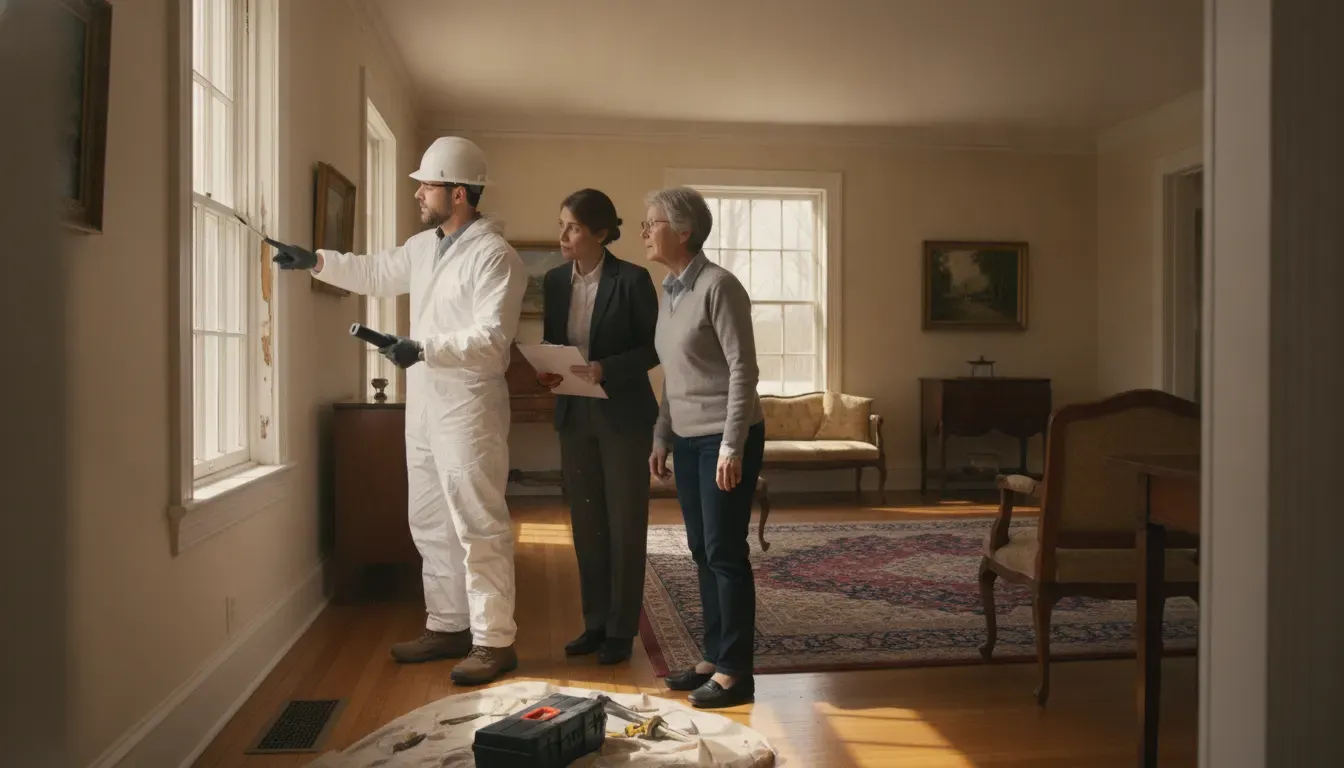
For most North Carolina housing built before 1978, sellers and landlords must disclose known information about lead-based paint and/or lead-based paint hazards and provide all available records and reports about them before a buyer is bound by a sales contract or a tenant signs a lease. A disclosure does not by itself determine whether a lead-based paint hazard is present; it communicates known information and provides available records as required by federal law.
Get a Free Consultation for Lead Paint Inspection
This disclosure gives buyers and renters the information required by federal law so they can make informed decisions and arrange an inspection or risk assessment when appropriate. North Carolina forms and transaction timelines can change, so use current documents and ask a broker or attorney about transaction-specific questions.
What is lead paint disclosure in North Carolina?
Lead paint disclosure in North Carolina is the process of giving buyers or renters the required information about known lead-based paint and lead-based paint hazards in most housing built before 1978. The packet generally includes known records, the EPA pamphlet, a Lead Warning Statement, and transaction-specific acknowledgements before the contract or lease is signed.
Federal Section 1018 of Title X is the primary lead-specific disclosure rule. It applies to most pre-1978 private, public, federally owned, and federally assisted housing. The responsible parties can include the seller, lessor, property manager, and real estate agent. The rule is about known information. A property's age alone does not prove that lead paint is present, and a seller or landlord should not guess when records are unavailable.
Lead-based paint that is intact and in good condition is not necessarily a hazard. Peeling, chipping, chalking, cracking, or damaged paint can create a hazard, especially around friction surfaces such as windows and doors. The EPA's real estate disclosure guidance explains why condition and known information matter.
Which North Carolina properties are covered?
Most North Carolina homes, apartments, and other housing built before 1978 are covered by the federal lead disclosure rule. Important federal exemptions include some short-term leases, zero-bedroom units, certain elderly or disability housing, properties certified lead-paint-free, post-1977 housing, and foreclosure sales. Confirm an exemption before relying on it.
For a typical Raleigh-area home or apartment built before 1978, review lead disclosure requirements before a sale or lease. For multifamily housing, consider records for the unit and relevant common areas.
- Sales: The disclosure must be completed before the buyer is bound by the contract, and the buyer must receive the required information and opportunity described by the rule.
- Leases: The landlord or lessor must provide the required information before the tenant signs the lease. A lease renewal or extension can affect whether a short-term exemption applies.
- Post-1977 housing: The federal lead-based paint disclosure rule generally does not apply, but other material-fact and property-condition duties may still apply.
- Tested properties: A certified inspector or risk assessor may establish that painted surfaces are lead-based paint free, but keep the report and confirm its scope before treating the property as exempt.
What must sellers and landlords disclose?
Before signing, sellers and landlords must disclose known lead-based paint and lead-hazard information, provide available reports and records, deliver the EPA's current pamphlet, and include the Lead Warning Statement in the contract or lease. The paperwork should be complete, understandable, and in the same language as the agreement.
The federal disclosure packet should address each of these obligations:
- Known lead information: State what is known about lead-based paint or hazards, including the location and condition when that information is available.
- Records and reports: Provide every available report, inspection, risk assessment, abatement record, or other document about lead-based paint or hazards. Do not withhold a report because it is old or inconvenient.
- EPA pamphlet: Give the buyer or renter the current Protect Your Family From Lead in Your Home pamphlet before signing.
- Lead Warning Statement: Include the required statement as an attachment or as language in the sales contract or lease. It must be in the same language as the rest of the agreement.
- Signatures and timing: Complete the disclosure before the buyer or tenant signs, and keep evidence showing when the pamphlet, records, and disclosure were delivered.
The seller or landlord should answer from documented knowledge, not from a visual assumption. A clean-looking wall does not establish that it is lead-free, and an absence of records does not establish that no lead-based paint exists.
Review Professional Lead Paint Inspection Options in Raleigh
How does the 10-day testing period work?
For a covered home sale, federal rules require the seller to give the buyer a 10-day opportunity to conduct a lead-based paint inspection or risk assessment, unless the parties agree in writing to a different period or the buyer waives the opportunity. This period is for the buyer's evaluation, not a guarantee that testing will occur.
The inspection or risk assessment is normally performed at the buyer's expense by a qualified professional. The seller should not describe 10 days as a universal waiting period because the parties may agree to a different period.
In North Carolina purchase transactions, the lead-specific addendum commonly used by real estate professionals connects the buyer's inspection right to the contract's due diligence period. The current North Carolina Lead-Based Paint Addendum records the buyer's choice to accept or waive testing.
Tenants do not receive the same federal 10-day pre-purchase testing period because a lease is not a home purchase. A landlord still must provide the required lead information before the lease is signed.
Which North Carolina forms are involved?
North Carolina's lead-specific transaction addendum and the state's general property disclosure statement serve different purposes. The lead addendum documents federal lead information and the buyer's inspection choice. The Residential Property and Owners' Association Disclosure Statement covers broader property disclosures. Neither form should be used to hide known material facts.
The North Carolina Real Estate Commission maintains a lead-based paint resource page with federal guidance and the North Carolina lead addendum. The addendum organizes the seller's statement, records, pamphlet acknowledgement, and buyer's testing choice.
The addendum is not the same as the North Carolina Residential Property and Owners' Association Disclosure Statement, or RPOADS. The RPOADS covers broader Chapter 47E property matters. Brokers must still disclose known or reasonably knowable material facts.
For a pre-1978 property, treat the documents as complementary:
| Document or item | Main purpose | Who should review it |
|---|---|---|
| Federal lead disclosure | Discloses known lead paint information, hazards, and records | Seller, landlord, agent, buyer, or tenant |
| EPA pamphlet | Provides required consumer education about lead in homes | Buyer or renter before signing |
| Lead Warning Statement | Confirms the lead information was provided with the agreement | Parties to the sale or lease |
| NC lead addendum | Records transaction-specific lead disclosures and buyer testing choice | Seller, buyer, broker, and attorney |
| NC RPOADS | Covers broader residential property and owners' association disclosures | Seller, buyer, and broker |
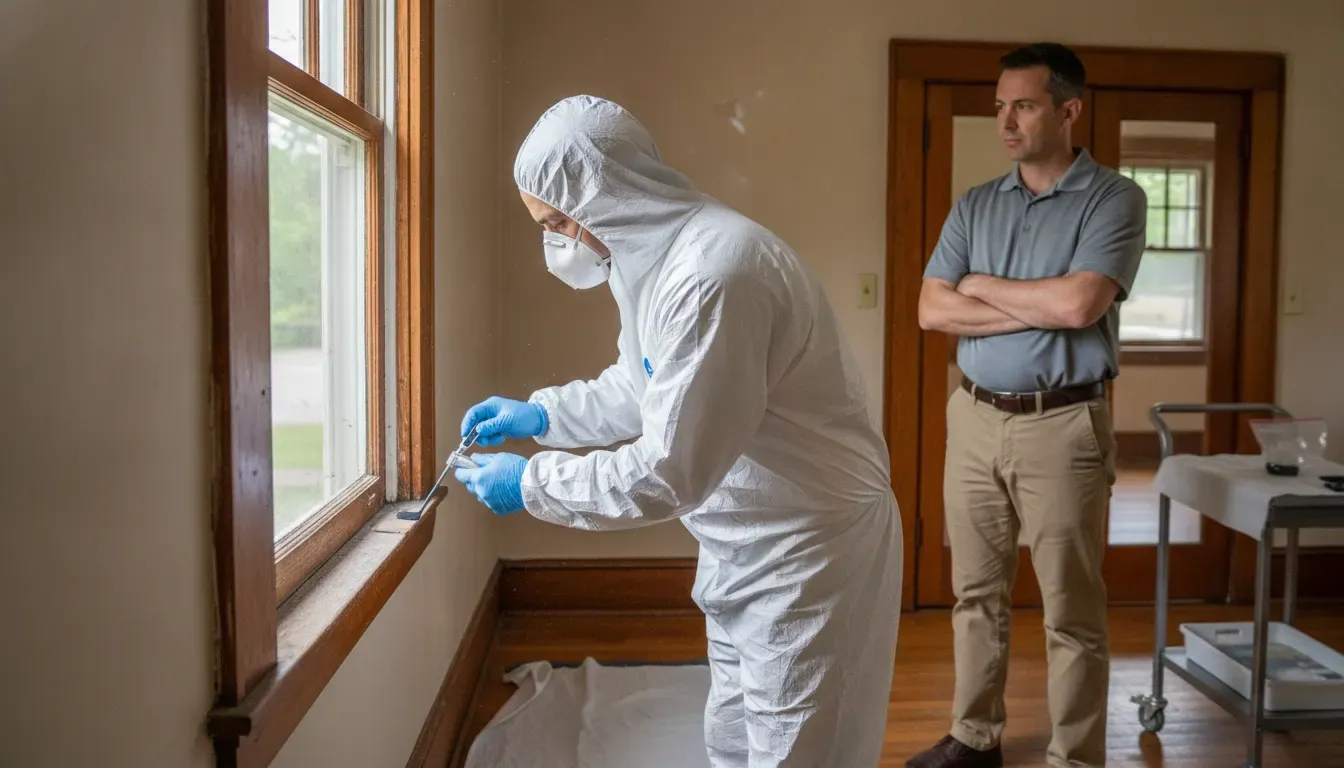
Forms can be revised. Use the current form supplied by the North Carolina real estate professional handling the transaction, and ask an attorney about legal questions or unusual property circumstances.
What should landlords document before a lease?
Before leasing covered housing, a landlord should gather known lead records, provide the EPA pamphlet and Lead Warning Statement, complete the lessor disclosure, and preserve signed delivery evidence. Property managers should use a repeatable file for each unit so disclosures are not lost between tenants or management changes.
A practical rental file can include:
- The property's construction date and any documentation supporting it.
- Prior lead inspections, risk assessments, abatement reports, clearance documents, or notices.
- The completed lessor disclosure and Lead Warning Statement.
- A copy or delivery record for the EPA pamphlet.
- The signed lease and any lead-related addendum or rider.
- A record of the date and method used to deliver the documents.
The EPA provides a sample lessor disclosure form. Keep the disclosure file for at least three years after the lease begins and follow any longer retention policy that applies.
If a landlord learns new information after signing, preserve the original record, document the new information, and ask a qualified attorney whether a supplemental notice is required.
What are the penalties for missing a lead disclosure?
Failing to provide required lead disclosure information can expose a seller, lessor, or agent to civil and criminal penalties. A buyer or tenant may also pursue a legal claim, and federal law can allow recovery of up to three times the damages in a qualifying case. Do not treat a missing form as a harmless paperwork issue.
The EPA's enforcement guidance states that a seller, lessor, or agent who fails to provide the proper information can be sued for triple the amount of damages and may face civil and criminal penalties. Monetary penalty limits and enforcement policies can change, so this article does not list a fixed dollar amount as a substitute for current legal guidance.
The best protection is a complete, timely, organized file. If a required disclosure was omitted, contact the broker or attorney promptly. Do not backdate a form, alter an old record, or claim that testing occurred when it did not.
How can Raleigh sellers and landlords prepare?
Raleigh-area sellers and landlords can prepare by identifying pre-1978 properties early, collecting records, using current forms, allowing the buyer evaluation opportunity, and arranging qualified inspection when facts are unclear.
- Confirm the property's age: Start with permits, tax records, prior listings, or other reliable documentation.
- Search the file: Ask prior owners, managers, inspectors, and contractors for existing lead reports and abatement records.
- Separate knowledge from assumptions: Record what is known, what is documented, and what has not been tested.
- Use current documents: Obtain the current EPA pamphlet and the form set recommended by the transaction's North Carolina broker or attorney.
- Allow time for review: Build the buyer's inspection or risk-assessment opportunity into the transaction schedule rather than treating it as a last-minute request.
- Get professional help when needed: If the property has damaged paint, renovation plans, or incomplete records, consider a qualified lead inspection or risk assessment before making representations.
Remtech Environmental serves Raleigh and the Triangle with education-first environmental services. Our team can explain the difference between a visual review, lead-based paint inspection, risk assessment, and removal planning. Visit the Raleigh service area page to learn more.
Get a Free Quote Today for Lead-Based Paint Services
Frequently Asked Questions
Does every North Carolina home need a lead disclosure?
No. The federal rule generally covers most pre-1978 housing, with several exemptions. Other North Carolina property and material-fact duties may still apply.
Is the EPA lead pamphlet required in a North Carolina rental?
Yes, for most covered pre-1978 rentals. The landlord must provide the EPA pamphlet, disclose known information and records, and include the Lead Warning Statement before signing.
Is the buyer's testing period always exactly 10 days?
Not always. The federal rule requires a 10-day opportunity unless the parties agree in writing to a different period or the buyer waives it. The NC addendum may connect testing to due diligence.
Does a no-representation answer eliminate lead disclosure duties?
No. It does not erase known material facts or replace federal lead disclosure requirements. Disclose documented knowledge and provide available records.
What should I do if the property has no lead records?
Do not assume that no records means no lead-based paint. Disclose what is known and consider a qualified inspection or risk assessment.
Where can Raleigh property owners get lead paint guidance?
Review EPA and North Carolina resources, then contact Remtech Environmental for a lead inspection consultation. A broker or attorney should answer transaction-specific legal questions.
Get clear guidance before you list or lease
Lead disclosure is easier to manage when sellers and landlords start early, gather records, and use current forms without guessing about test results. A professional consultation can clarify the next step.
Remtech Environmental believes in doing the right work the right way. We provide clear explanations for homeowners, property managers, real estate professionals, and businesses across the Triangle. Contact Remtech Environmental for a free quote when you are ready to discuss your property.
This article is educational and is not legal advice. Lead disclosure duties depend on the property, transaction, documents, and current law. Consult a North Carolina real estate attorney or broker for advice about a specific sale or lease.