
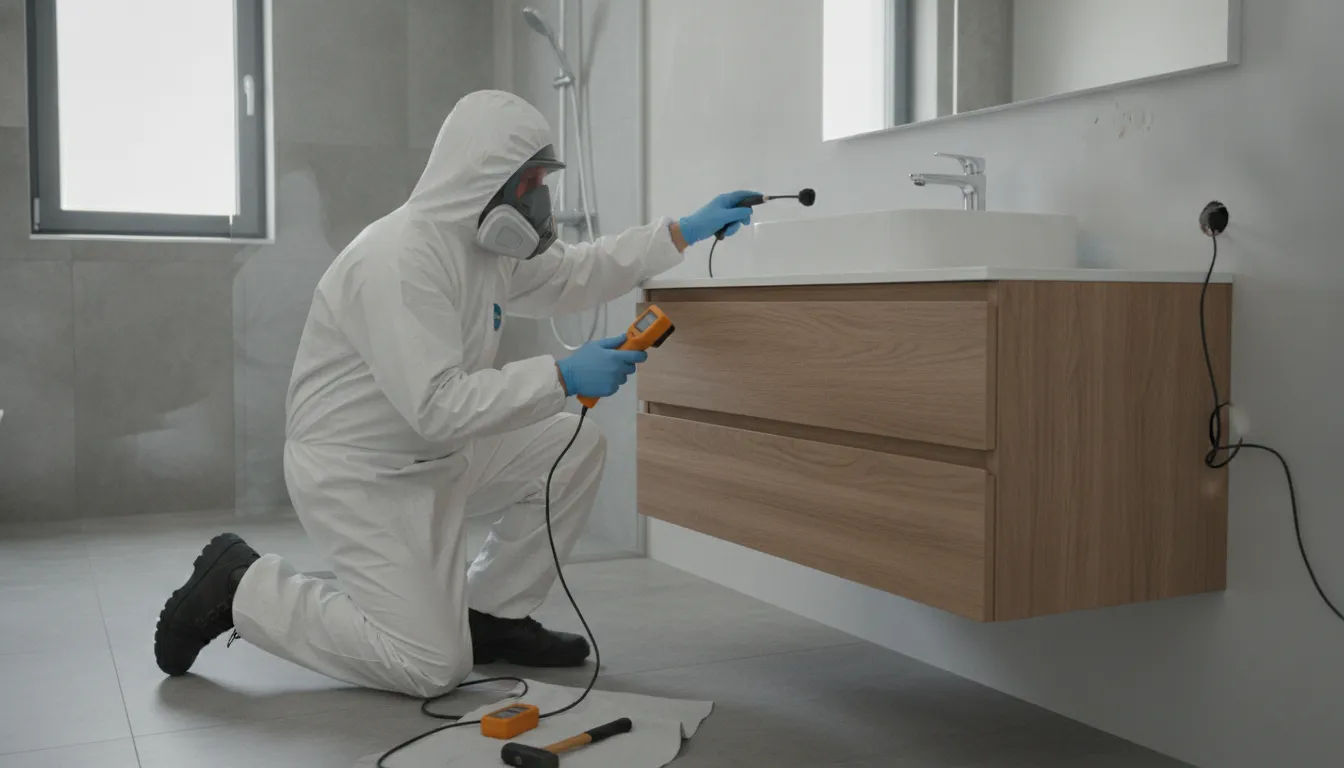
A few dark spots on a shower grout line are not automatically a whole-home emergency. Bathrooms create the warm, damp conditions mold needs, so surface mildew can appear even in a well-maintained Raleigh home. The more useful question is whether the growth stays on a small, nonporous surface or keeps returning because moisture is reaching materials you cannot see.
Bathroom mold professional remediation Raleigh NC is worth considering when growth covers a large or difficult-to-reach area. Returns after cleaning, leaves a persistent musty odor, or involves porous materials such as drywall. If you cannot identify and correct the moisture source, professional evaluation can help distinguish a cleanable surface issue from hidden growth. The EPA identifies moisture control as the key to controlling mold indoors: EPA mold guidance.
Start by looking closely at where the growth appears, what it is growing on, and whether it responds to ordinary cleaning. Those details provide a practical way to separate everyday bathroom mildew from a problem that deserves a more careful response.
What Counts as a Bathroom Mold Problem vs. Everyday Mildew
Bathrooms naturally collect moisture, so a small amount of surface discoloration is not automatically evidence of a larger mold problem. Soap residue, mineral buildup, and light mildew can appear on tile or grout after repeated showers, especially when surfaces stay damp. The more useful question is whether the growth is limited to a cleanable. Non-porous surface or whether moisture has allowed it to spread into materials that cannot be thoroughly cleaned.
The U.S. Environmental Protection Agency explains that mold becomes an indoor problem when spores land on a wet or damp spot and begin growing. In other words, visible growth is a moisture signal, not simply a housekeeping issue. Mold can grow on almost any substance when moisture is present, including bathroom walls, ceilings, and floors. That makes the location and material just as important as the color or appearance.
Tile, glass, and other hard surfaces may support growth that remains relatively close to the surface. If the affected area is small and the moisture source is corrected, careful cleaning may be reasonable. However, dark staining is not a reliable way to identify the type of growth or determine how deeply it has spread. Calling every spot "black mold" can create unnecessary alarm, while dismissing recurring growth can leave a moisture problem unresolved.
Drywall, ceiling panels, insulation, wood, and other porous materials require more caution. Their texture can allow moisture and growth to move below the visible surface, where wiping or scrubbing may not remove the affected material. EPA guidance identifies mold on drywall or other porous bathroom surfaces as a situation that may require professional attention. Repeated growth, a persistent musty odor, soft or swollen drywall. Or staining that extends beyond the original spot are practical reasons to stop treating the issue as ordinary mildew.
For a broader overview of appearance and growth patterns, see these types of household mold. The goal is not to diagnose a species from a photograph. It is to identify whether moisture is controlled, whether the affected surface can be safely cleaned, and whether hidden or porous materials may be involved. When those answers are unclear, an assessment can help you choose the right next step without guesswork.
Why Bathroom Mold Keeps Coming Back
Bathroom mold rarely returns because a surface was not scrubbed hard enough. It returns when the conditions that support growth remain in place. The Environmental Protection Agency identifies moisture control as the key to controlling indoor mold. In a bathroom, that moisture may come from daily steam, a weak exhaust fan, a slow plumbing leak, or damp materials hidden behind a wall or fixture.
Poor ventilation leaves moisture behind
Warm showers create water vapor that can settle on ceilings, painted walls, grout, and trim. If the exhaust fan is undersized, poorly vented, or used only after the shower, the room may stay damp long enough for mold to establish. Persistent condensation, peeling paint, swollen trim, or a musty odor can indicate that the bathroom is not drying effectively. Improving airflow matters, but it does not replace an inspection when growth keeps returning.
Leaky fixtures create a continuing source
A toilet supply line, sink connection, shower valve, tub drain, or caulked joint can leak slowly without producing a dramatic puddle. Water can travel into cabinetry, flooring, drywall, or framing. Once porous materials remain damp, wiping the visible spot removes only what is on the surface. The moisture source continues feeding regrowth. The EPA recommends drying water-damaged areas and items within 24 to 48 hours to help prevent mold growth, then correcting the cause rather than repeatedly cleaning the symptom. Read the EPA's guidance on moisture and mold control.
Hidden moisture can keep feeding growth
Constant recurrence is a reason to look beyond the tile. Mold on wood framing behind a bathroom wall may indicate a chronic, long-term leak. Growth under a vanity, around a tub enclosure, or behind baseboards may also be out of sight while releasing a persistent musty smell. In these situations, opening materials without a plan can spread contamination or leave the underlying problem unresolved.
If mold returns soon after cleaning, the useful question is not which product to try next. It is where the moisture is coming from and whether affected materials can be safely cleaned or need professional attention. Resolving that source is what gives cleaning a chance to last.
DIY Mold Cleaning: What You Can Safely Handle at Home
A small spot on a hard, non-porous bathroom surface may be reasonable to clean yourself. Examples include a limited patch on glazed tile or grout, where the growth is plainly visible and the surrounding material is intact. The CDC notes that the appropriate cleanup method depends on the size and condition of the affected area. Before starting, make sure you can address the moisture that allowed the mold to grow. Mold control begins with moisture control, and cleaning alone will not solve a continuing leak or dampness issue. The CDC's mold cleanup guidance provides additional safety information.
Use this limited approach only when the area is genuinely small and easy to reach. Cleaning can create health and injury risks, so people with allergies, immune suppression, underlying lung disease, or other mold sensitivities should not participate. Keep children, older adults with health vulnerabilities, and pets away from the work area until cleanup is complete and the surface is dry.
- Dry the area quickly. Stop the source of dampness if you can do so safely, then dry the tile, grout, and nearby surfaces. Ventilate the bathroom and use appropriate fans or dehumidification. Water-damaged areas and items should be dried within 24 to 48 hours when possible to help prevent mold growth, according to the EPA. Do not open walls or disturb hidden materials to chase a suspected leak.
- Protect yourself before cleaning. Wear at least a NIOSH-approved N95 respirator, disposable or washable gloves, and goggles that provide complete eye protection. Wear clothing that can be washed separately after the job. Avoid dry brushing, sanding, or other actions that can spread particles through the room.
- Clean the small non-porous spot with detergent. Apply a suitable household detergent solution and scrub the affected tile or grout carefully. Follow the product label, maintain ventilation, and never mix cleaning products. The CDC identifies bleach or dish detergent as possible cleaning options, but bleach is not automatically the best choice for every material. Rinse as directed and dry the surface completely.
- Remove porous materials instead of trying to scrub them clean. Mold can penetrate materials such as drywall, ceiling tile, insulation, and some wood products. These materials usually cannot be reliably cleaned in place and may need removal. Do not cut into walls or ceilings unless you understand the safety and containment requirements.
- Stop and request professional help when the situation is unclear. Pause if the area grows, returns quickly, spreads beyond the original surface, or has a persistent moldy odor. Call a qualified professional if you cannot identify or correct the moisture source, or if growth is behind a wall, under a fixture, or on porous materials. A careful assessment is safer than repeatedly scrubbing symptoms while the underlying problem continues.
DIY cleaning is a narrow option, not a test of determination. If you are unsure whether the material is porous or whether the growth extends beyond what you can see, leave it undisturbed and seek advice. In Raleigh, a professional can help determine whether the issue is limited surface growth or requires a broader remediation plan.
When Should You Call for Professional Bathroom Mold Remediation in Raleigh NC?
A small patch on a non-porous tile surface may be manageable with careful cleaning, but some situations call for a more thorough assessment. When the growth is extensive, keeps returning, or appears connected to a problem you cannot safely identify and correct. Bathroom mold professional remediation can be the practical next step for a homeowner in Raleigh, NC.
DIY cleaning vs. professional remediation: a quick comparison
| Factor | DIY surface cleaning | Professional remediation |
|---|---|---|
| Best for | Small, non-porous surfaces with a clear, correctable moisture source | Large areas, porous materials, or growth behind walls and fixtures |
| Equipment | N95 respirator, gloves, goggles, household detergent | HEPA filtration, containment, professional-grade cleaning |
| Moisture fix | Homeowner corrects leaks or ventilation | Technician finds and helps resolve the source |
| Health protection | Sensitive occupants should not participate | Trained, equipped crews limit exposure |
| When it falls short | Any recurrence, musty odor, or hidden moisture | Sense a broader plan to prevent regrowth |
Call when the growth is extensive or hidden
Visible mold that covers a large area deserves more than a quick surface treatment. The same is true when growth is on drywall, wood, or another porous material, where cleaning may not remove what has penetrated the material. Mold behind a wall, beneath flooring, around plumbing, or under a fixed vanity can also be difficult to inspect without spreading contamination or damaging the surrounding area. The EPA recommends addressing mold promptly while correcting the moisture problem that allowed it to grow. Read the EPA's guidance on indoor mold and moisture.
Do not ignore a moisture source you cannot find
Cleaning the visible area is not a lasting solution if a leaking supply line, drain, toilet seal, roof issue, or inadequate ventilation continues to add moisture. Mold will likely return until the underlying water problem is fixed. If you have cleaned more than once and the discoloration comes back, treat that recurrence as useful information rather than a reason to keep applying stronger products. A professional can help determine whether the problem is limited to the surface or extends into nearby materials.
Pay attention to persistent odors and occupant concerns
A moldy smell that remains after cleaning may indicate growth behind walls or under fixtures, even when the source is not visible. The odor alone does not identify the type or extent of mold, but it is a reason to investigate rather than mask the smell with fragrances. You can also review these signs of mold damage when the evidence is subtle. People with allergies, asthma, immune suppression, or underlying lung disease may be more sensitive to mold exposure, so they should not take part in cleanup. If sensitive occupants report symptoms that seem connected to the bathroom, arrange an assessment and consult their healthcare provider as appropriate.
Remtech Environmental provides Mold Remediation Raleigh NC services through IICRC-certified technicians and an education-first process. The goal is not to create alarm. It is to understand where the moisture and growth are located, explain the options clearly. And address the problem in a way that supports a healthier, more durable result.
What Professional Mold Remediation Actually Involves
Professional remediation is more than wiping visible growth from a tile wall. It is a controlled process designed to identify how moisture entered the space. Remove contamination safely, and leave the bathroom dry enough that mold is less likely to return. Because mold can grow on many materials when moisture is present, the visible spot is not always the full extent of the problem. The certified mold remediation approach starts with understanding the bathroom as a system, not treating one stain in isolation.
Inspection and moisture-source identification
A technician first evaluates where growth is located and what conditions support it. That may include checking areas around plumbing, fixtures, ceilings, walls, cabinets, and ventilation paths. The goal is to determine whether the issue is limited to a washable surface or whether moisture has affected drywall, framing, insulation, or another porous material. If the moisture source is not corrected, cleaning alone cannot provide a lasting solution. The EPA identifies moisture control as the key to controlling indoor mold and advises fixing the underlying water problem as part of cleanup.
Containment and controlled removal
When growth extends beyond a small, clearly defined surface, professionals use containment to limit the movement of spores into clean parts of the home. This matters during removal because disturbing contaminated materials can spread particles through the air. The work plan depends on the materials involved. Non-porous surfaces may be cleaned, while porous materials that have absorbed growth may require careful removal and disposal rather than a surface treatment.
Remediation crews also use professional-grade cleaning methods and HEPA filtration to capture fine particles during the process. Proper containment, filtration, and disposal reduce exposure and help keep the work area from becoming a pathway for contamination. The CDC notes that mold cleanup can present health and injury risks, which is one reason homeowners should avoid taking on work they cannot safely define or contain.
Drying, ventilation, and preventing regrowth
After affected materials are cleaned or removed, the bathroom must be properly dried and ventilated. A professional addresses the conditions that allowed growth in the first place, whether that involves persistent condensation, inadequate ventilation, or moisture around a fixture. The EPA recommends prompt drying and emphasizes that mold can return when moisture remains. A complete remediation plan therefore includes the source correction and drying steps, not just the visible removal.
For Raleigh homeowners, trust certified professionals when the extent of growth is unclear, the affected area is difficult to access, or the moisture problem cannot be resolved confidently. A careful assessment can distinguish a manageable surface issue from contamination that needs containment and specialized removal.
How to Prevent Bathroom Mold From Returning
Prevention starts with controlling the moisture that allows mold to grow. The EPA identifies moisture control as the key to mold control, so focus on ventilation, quick drying, and repairs rather than relying on repeated surface cleaning. A bathroom that stays damp after every shower is likely to keep developing mold until the moisture pattern changes.
Ventilate during and after showers
Run the exhaust fan while someone is showering and leave it on afterward long enough to clear humid air. If the fan is weak, noisy, or vents poorly, have it inspected. Opening a window can also help when weather and privacy allow. Keep the bathroom door open after use when practical so damp air can move out instead of settling on walls, ceilings, and fixtures.
Dry wet surfaces and repair leaks promptly
Use a squeegee or towel to remove standing water from shower walls, tub edges, floors, and countertops. Pay attention to areas around the toilet, sink, shower valve, and supply lines. A small leak can maintain enough moisture for recurring growth, even when the visible spot is cleaned regularly. The EPA recommends drying water-damaged areas and items within 24 to 48 hours to help prevent mold growth. Do not wait for a musty odor or visible staining before addressing a plumbing problem.
Choose moisture-conscious bathroom materials
Avoid wall-to-wall carpet in bathrooms because it can retain moisture and is difficult to dry completely. During renovations, consider materials that tolerate humidity and can be cleaned and dried easily. Mold-resistant drywall, paint, caulk, and other products may support prevention when properly installed, but they do not replace ventilation or leak repairs. Mold can still grow wherever moisture remains.
Check recurring trouble spots
Inspect caulk lines, grout, exhaust-fan areas, ceilings, cabinets, and plumbing access points periodically. If the same area keeps returning after cleaning, or the bathroom remains damp despite normal ventilation, the underlying moisture source may need a closer assessment. Remediation is not complete until the area is properly dried and ventilated, because moisture left behind can support regrowth.
For persistent or hard-to-define problems, Mold Remediation Raleigh NC can help homeowners evaluate the source and determine an appropriate next step without guesswork.
Frequently Asked Questions
What is the typical cost for bathroom mold remediation?
There is no reliable standard price because the total depends on the affected materials, the size and location of the growth, access, and the moisture source. A professional should assess the bathroom and explain the recommended scope before quoting a project-specific price.
What is the difference between mold removal and mold remediation?
Mold removal describes taking visible growth away, while remediation addresses the broader problem. It may include containment, removal or cleaning of affected materials, drying and ventilation, and correcting the moisture source so the growth does not return. The EPA identifies moisture control as the key to mold control.
When should I call a professional for bathroom mold?
Call a professional when growth covers a large area, affects drywall or other porous materials. Returns after cleaning, leaves a persistent musty odor, or is located behind walls or under fixtures. Professional help is also sensible when you cannot identify or correct the moisture source. The CDC notes that mold cleanup can present health and injury risks.
Can black mold really be remediated?
Yes. The color alone does not determine the appropriate response. A qualified professional can assess the affected materials, contain the work area, remove or clean what is appropriate, and address the moisture that supports growth. If the growth is extensive or difficult to contain, the EPA recommends getting professional help.
Get Professional Bathroom Mold Remediation in Raleigh NC
If your bathroom mold keeps coming back, appears in hidden or hard-to-reach areas, or you suspect growth behind your walls, do not keep scrubbing at the surface. Recurring bathroom mold is a signal that moisture is collecting somewhere you cannot easily reach. And a certified mold remediation team in Raleigh NC can find the source, remove the growth safely, and help keep it from returning.
Remtech Environmental relies on IICRC-certified technicians and EPA-accredited specialists to handle professional bathroom mold remediation in the Raleigh NC area, doing the right work the right way. Tell us what you are seeing, and we will walk you through your options and what a project-specific quote would look like.